Close Menu
BdBytes

    Join the BDBytes Newsletter

    Get smart, easy-to-read updates on technology, markets, digital innovation and more directly to your inbox.

    Trending

    Microsoft lobbies against a US ban on Chinese data centre optics

    November 11, 2026

    Australia to force AI firms into safety checks after OpenAI breach

    November 11, 2026

    Bangladesh Bank targets July 2027 for one network linking banks and wallets

    November 11, 2026
    Facebook X (Twitter) Instagram
    Trending
    • Microsoft lobbies against a US ban on Chinese data centre optics
    • Australia to force AI firms into safety checks after OpenAI breach
    • Bangladesh Bank targets July 2027 for one network linking banks and wallets
    • Nvidia board opens probe into Jensen Huang after spy reports
    • India’s UPI hits a record 25.47 billion payments in October
    • Bangladesh’s science ministry pushes AI hubs, chip design and steady power
    • Nasscom chief warns AI is squeezing India’s entry-level tech jobs
    • Microsoft says Cambodia-based hackers are using AI agents against banks
    RSS
    BdBytes
    Login
    • Tech
    • Business
    • Finance
    • Startups
    • Gadgets
    • Reviews
    • Policy
    • Bangladesh
    • Asia
      • India
      • Singapore
      • Malaysia
    BdBytes
    Bangladesh

    Bangladesh plans a rooftop solar law as the energy squeeze deepens

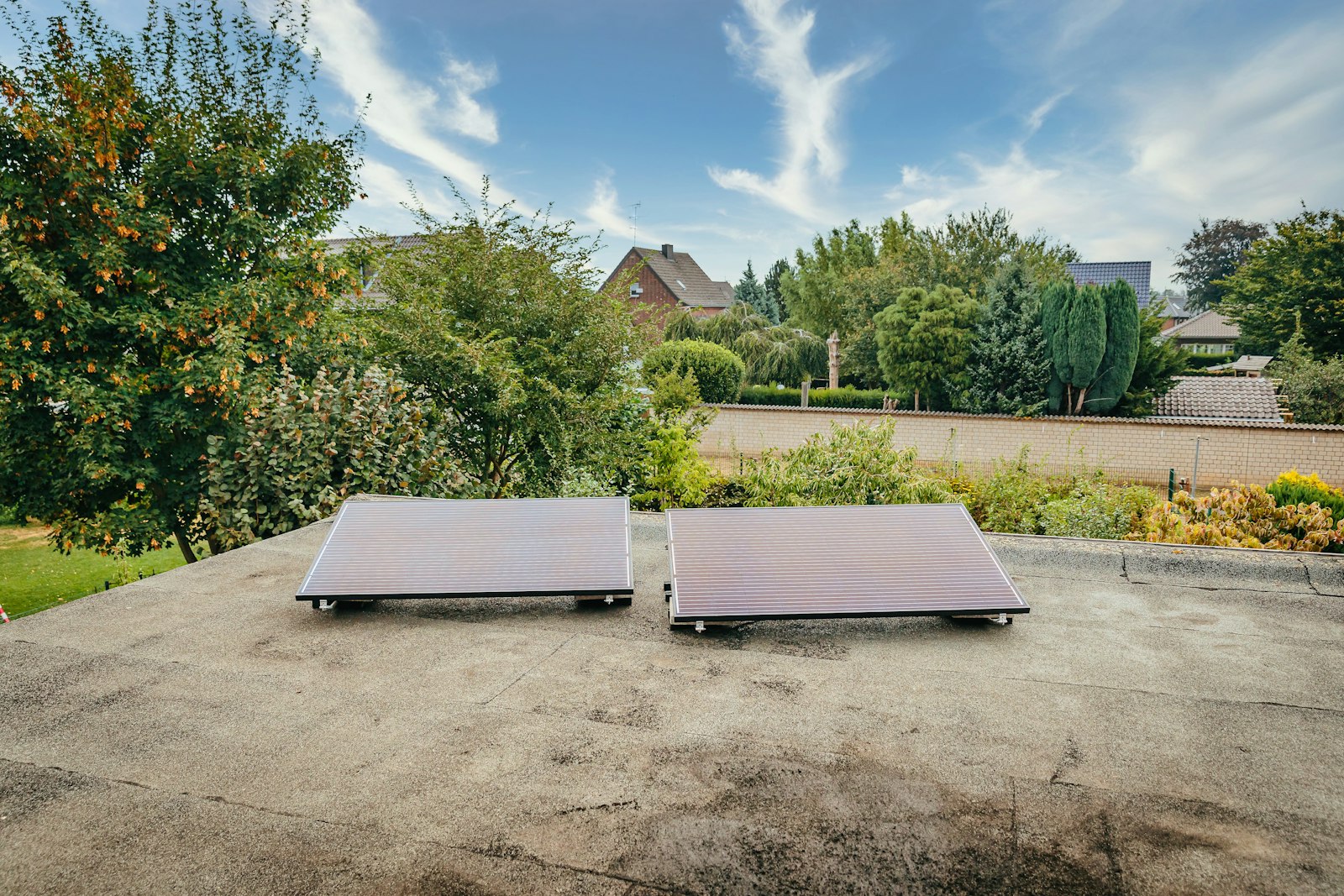
    Two solar panels mounted on a flat rooftop with trees and houses in the background
    Share
    Facebook Twitter LinkedIn Pinterest Email

    Bangladesh will put rooftop solar on a statutory footing, with a dedicated law to be passed in the next session of Parliament, Power, Energy and Mineral Resources Minister Iqbal Hassan Mahmood said on Saturday.

    Speaking at a roundtable in Dhaka organised by the newspaper New Age, the minister described solar as a priority for energy security and a way to ease pressure on gas, oil and imported fuel. He was candid about the wider picture: the current energy crunch, which he linked to global conflicts and especially the war in the Middle East, will not be fixed quickly. Alongside solar, the government is subsidising consumers where needed and pursuing more floating LNG terminals to cover future shortfalls.

    The minister did not say what the bill will contain. It is also not yet clear whether it will simply turn October’s solar ordinance into an act of Parliament or add new rules on top.

    What is already in place

    The groundwork moved quickly in October, when the government issued the Special Solar Power Installation Ordinance, 2026, which opens rooftops, courtyards, unused land, tea gardens and water bodies to solar projects of up to 5 MW. It covers floating solar and agrivoltaics, where crops grow under or beside panels, but leaves out large ground-mounted solar farms. Officials want 3,000 to 4,000 MW of renewable capacity added before next summer, with small, scattered installations expected to supply much of it.

    The ordinance sets out two ways to pay. Under an OPEX model, a solar company funds, builds and runs the system and is repaid from the power it produces, so the building owner pays nothing upfront. Under a CAPEX model, the owner buys the system outright. Contracts must follow a standard template covering roof use, equipment quality, power price, net metering and the disposal of old panels, including take-back by manufacturers. Theft of solar equipment or electricity can draw up to three years in prison, and the Sustainable and Renewable Energy Development Authority (SREDA) is tasked with keeping a register of installed systems.

    The minister added that a household rooftop programme has been launched in Bhaluka, that local government bodies, health authorities and district administrations have been told to switch to solar, and that around 8,600 service providers have been enlisted to install systems. The government is also watching the quality of panels sold in the local market, he said.

    What it means here

    For factories, offices and homeowners, the economics are already attractive on paper. Installers say a grid-tied system without batteries costs up to about Tk 50,000 per kilowatt, with payback in roughly three to three and a half years at commercial tariffs. Under the current net-metering guideline, systems connected by February 2027 earn Tk 10.50 for every unit exported to the grid until February 2030. Recent figures show about 4,550 net-metered systems with a combined 213 MW, while energy think tank IEEFA estimates industrial rooftop capacity alone at around 667 MW.

    Corporate users are moving too. Late last week, Grameenphone switched on a 325 kWp solar plant at its Sylhet data centre, built with ZTE, which the operator expects to generate more than 300 MWh a year.

    The gap has been execution rather than intent. Researchers at IEEFA and the Centre for Policy Dialogue have reported that net-metering connections are often delayed well beyond the official 10 to 15 days. A law could give investors and banks more certainty than an ordinance, but buyers will judge it on whether utilities connect systems on time, whether the export tariff holds, and whether poor-quality panels are kept off the market. Those details, not the headline target, will decide how much of the 3,000 MW ambition actually reaches rooftops.

    Share. Facebook Twitter Pinterest LinkedIn Tumblr Email
    Previous ArticleIndia sets up a national social security board for gig workers
    Next Article India’s telecom regulator drafts rules to make operators answer for AI
    Bdbytes
    • Website

    Related Posts

    Business

    Microsoft lobbies against a US ban on Chinese data centre optics

    November 11, 2026
    Policy

    Australia to force AI firms into safety checks after OpenAI breach

    November 11, 2026
    Bangladesh

    Bangladesh Bank targets July 2027 for one network linking banks and wallets

    November 11, 2026
    Add A Comment

    Comments are closed.

    Trending

    Microsoft lobbies against a US ban on Chinese data centre optics

    November 11, 2026

    Enhanced Food Waste Bin is Quieter and More Efficient

    November 24, 2025

    Facebook Embraces Nicknames for Group Communities

    November 24, 2025
    Latest In Tech

    Microsoft lobbies against a US ban on Chinese data centre optics

    November 11, 2026

    Australia to force AI firms into safety checks after OpenAI breach

    November 11, 2026

    Nvidia board opens probe into Jensen Huang after spy reports

    November 10, 2026

    Bangladesh’s science ministry pushes AI hubs, chip design and steady power

    November 10, 2026
    Latest In Finance

    Bangladesh Bank targets July 2027 for one network linking banks and wallets

    November 11, 2026

    India’s UPI hits a record 25.47 billion payments in October

    November 10, 2026

    Microsoft says Cambodia-based hackers are using AI agents against banks

    November 9, 2026

    MobiKwik wins RBI licence to lend from its own books

    November 8, 2026
    Advertise with BDBytes
    Most Popular

    Microsoft lobbies against a US ban on Chinese data centre optics

    November 11, 2026

    Enhanced Food Waste Bin is Quieter and More Efficient

    November 24, 2025

    Facebook Embraces Nicknames for Group Communities

    November 24, 2025
    Our Picks

    Microsoft lobbies against a US ban on Chinese data centre optics

    November 11, 2026

    Australia to force AI firms into safety checks after OpenAI breach

    November 11, 2026

    Bangladesh Bank targets July 2027 for one network linking banks and wallets

    November 11, 2026
    RSS
    • About us
    • Contact us
    • Privacy Policy
    • Terms & Conditions
    • Disclaimer
    © 2026 BDBytes. All Rights Reserved.

    Type above and press Enter to search. Press Esc to cancel.

    Sign In or Register

    Welcome Back!

    Login to your account below.

    Lost password?