
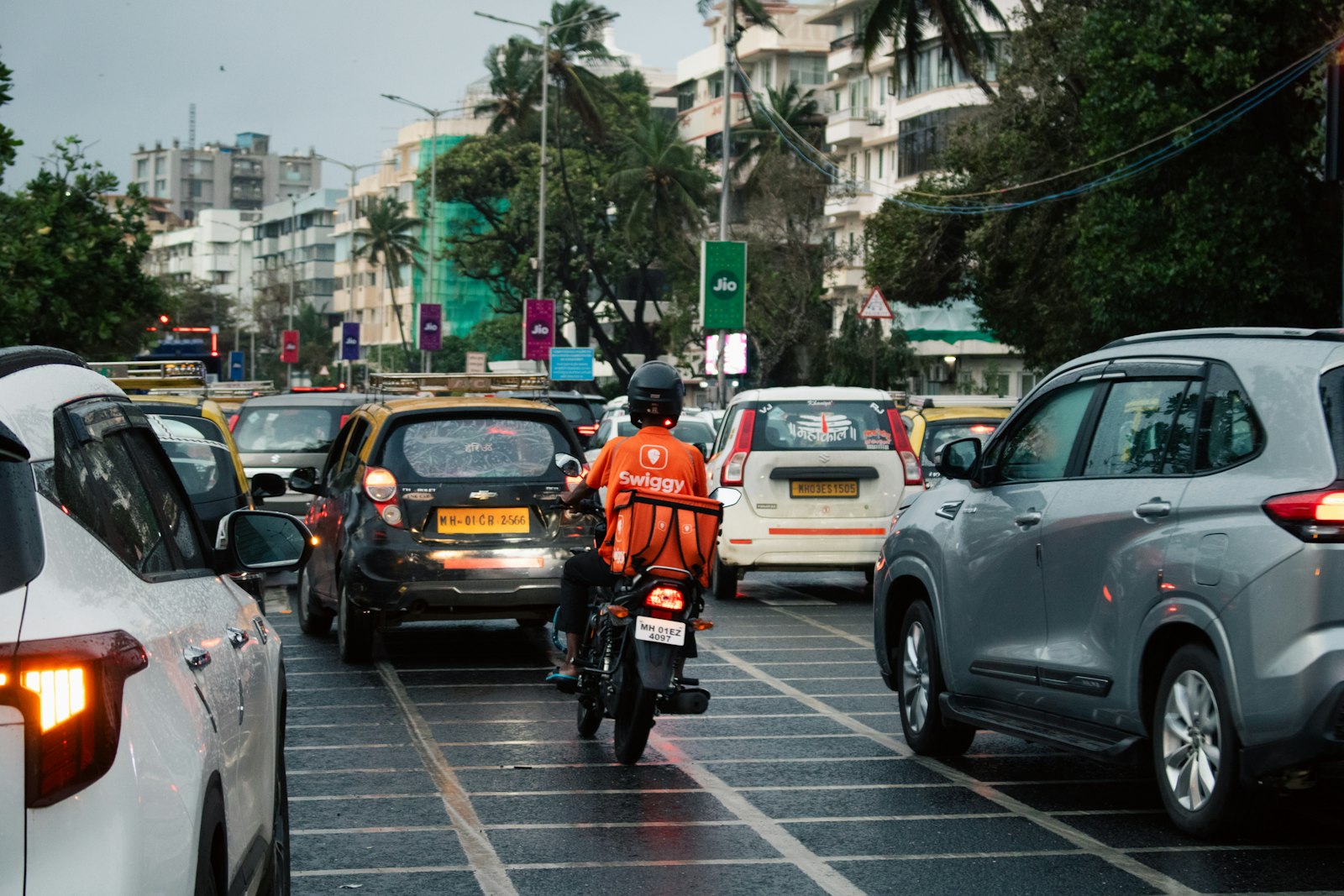
India has taken another step towards giving delivery riders, cab drivers and other app-based workers a formal safety net. The Ministry of Labour and Employment has notified the creation of a National Social Security Board for unorganised, gig and platform workers, under the Code on Social Security, 2020.
The board will be chaired by the Union labour minister. Its members will include representatives of the central and state governments, aggregator companies, employers, civil society, trade unions and associations of gig and platform workers. It is required to meet at least three times a year.
What the board will do
The board’s job is largely advisory and supervisory. It will recommend welfare schemes for unorganised, gig and platform workers, advise the government on issues that come up in running the code, monitor the schemes the government administers, and review state-level record-keeping and spending from the welfare fund.
The code itself came into force on November 21, 2025, folding nine older labour laws into one. It formally recognises gig and platform workers and makes them eligible for government-notified schemes covering areas such as health insurance, maternity benefits, accident and disability cover, life insurance and old-age protection. Rules issued earlier this year link eligibility to a minimum number of working days with platforms over a year.
The money side is what platforms are watching most closely. Eligible aggregators must contribute 1 to 2 percent of their annual turnover to the fund, subject to a cap linked to what they pay out to workers. That puts new financial and administrative obligations on companies such as Swiggy, Zomato, Blinkit, Zepto, Ola, Uber, Amazon and Flipkart, which together rely on millions of riders, drivers and pickers.
States are moving too. Karnataka has already set up its own Gig Workers’ Welfare Board. The national board is meant to give the system a central steering body as schemes move from paper to payouts.
What it means here
Bangladesh’s app economy runs on the same kind of labour. Ride-hailing drivers and food delivery riders working for platforms such as Pathao, Foodpanda and Uber are paid per trip, buy their own vehicles and fuel, and usually have no employer-funded insurance or pension. At an expert meeting in September, the Centre for Policy Dialogue noted that many such workers remain outside formal social protection, and it is working on a roadmap for social insurance in the sector.
India’s model offers a template worth studying rather than copying wholesale. A levy on platform turnover spreads the cost across the companies that profit from the work, and a tripartite board gives workers a seat at the table. But India’s experience will also show the hard parts: registering workers who move between apps, verifying working days, and making sure contributions actually turn into claims that riders can use.
For Bangladeshi platforms, the message is that regulators in the region are no longer treating gig work as a grey area. Firms that start building simple accident cover or savings options for their riders now may find it easier to adapt when Dhaka eventually writes its own rules.
