
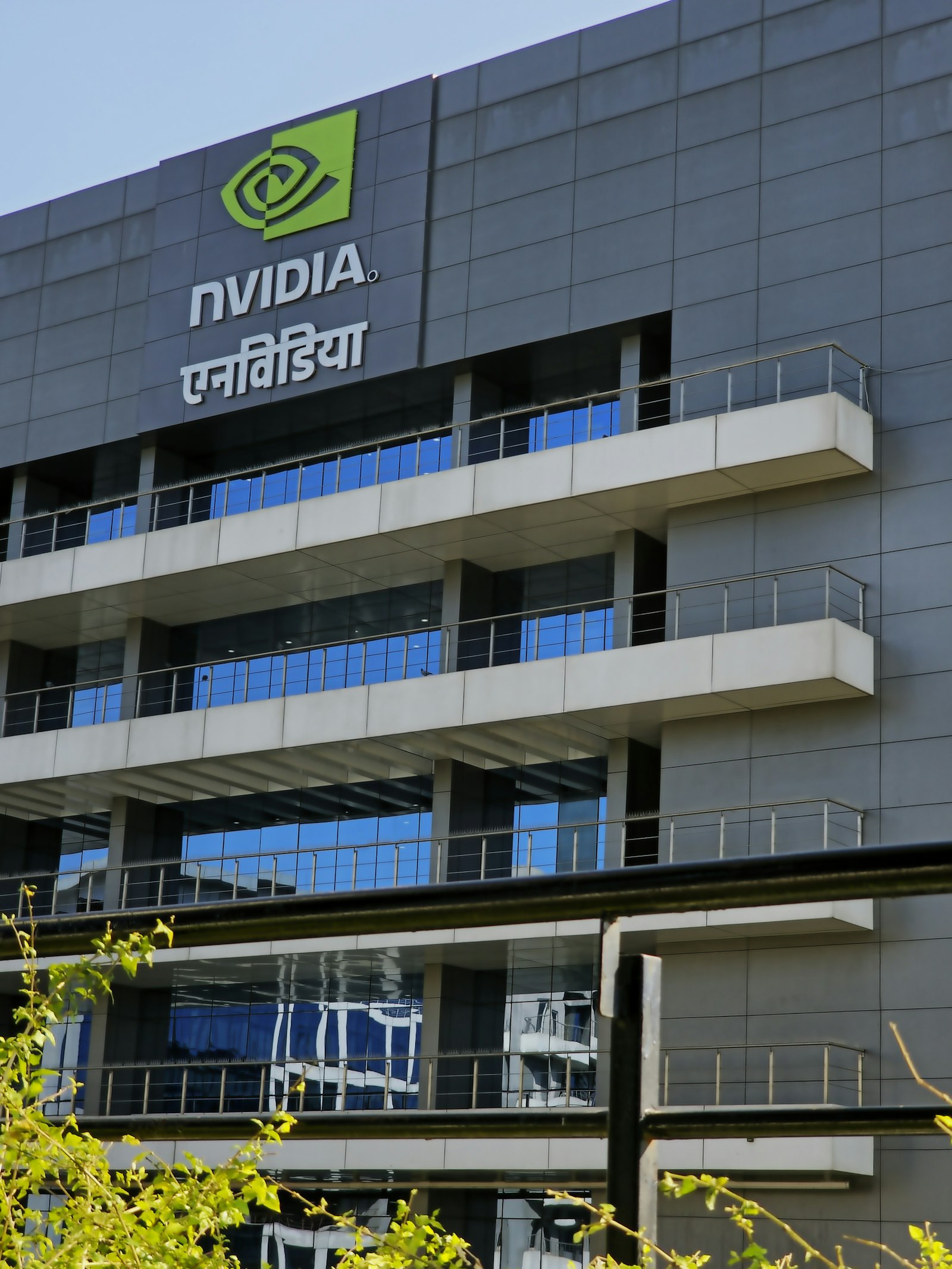
Nvidia, the company whose chips power most of the world’s AI systems, has opened an independent investigation into its own chief executive, Jensen Huang, following reports that he was the target of a foreign intelligence operation.
In a statement on Sunday, the board said a committee of independent directors, supported by outside counsel, would oversee the review. It said it had no reason to believe that US national security or Nvidia’s confidential information had been compromised, and that it retained confidence in Huang and his leadership team. Huang has said he supports the investigation and will cooperate fully.
What the reports say
The probe follows reporting by The New York Times last month that US authorities were investigating Alice Huang, who is not related to the Nvidia chief. She is a former executive of Megaspeed, a Singapore-based company that buys Nvidia AI chips and is one of its largest customers in Southeast Asia. The newspaper reported that Megaspeed bought more than $4.8 billion worth of Nvidia chips over two years, and that US intelligence officials believe Alice Huang worked for China’s Ministry of State Security. Those claims have not been tested in any court.
In a message to staff, Jensen Huang acknowledged he had been unfaithful to his wife and apologised, without naming anyone. China’s foreign ministry dismissed the spying claims as baseless. US Secretary of State Marco Rubio declined to comment, calling it an internal corporate matter. Megaspeed did not respond to requests for comment.
Investors reacted cautiously rather than in panic. Nvidia shares traded about 3.4% lower in after-hours dealing on Monday, compared with Friday’s close of $186.64. In Asia, chip suppliers that had been hit by last week’s AI selloff bounced back strongly on the same day: TSMC rose 6.5%, SK Hynix 4.7% and Samsung Electronics 2.9%.
There were some practical ripples. Madison Huang, an Nvidia executive and the chief executive’s daughter, cancelled a planned visit to Seoul, including meetings with AI chip startup Rebellions and Kakao Mobility, which cited internal circumstances at Nvidia. The company’s AI Day event in Seoul was reported to be going ahead, and South Korea’s deputy science minister said the government expected no disruption to contracted GPU deliveries. Analysts warned that a drawn-out investigation could slow Nvidia’s investment decisions or product launches, and that shipments linked to China could face delays.
What it means here
For Bangladesh, the story is less about one executive and more about how tightly AI hardware is now tied to geopolitics. Nvidia’s top chips are already subject to US export rules, and Singapore and other Southeast Asian hubs are where much of the region’s buying, reselling and data centre building happens. When a large Singapore buyer comes under official scrutiny, the likely result is tougher checks across the whole supply chain.
That matters to Bangladeshi telecom operators, cloud providers, universities and government agencies planning AI computing capacity. Many of them source high-end servers through regional distributors rather than directly from manufacturers. Expect more paperwork on end use, longer delivery times and closer questions about who the final customer is. Buyers that keep clean records and work with established channels will find the process easier than those relying on informal routes.
