
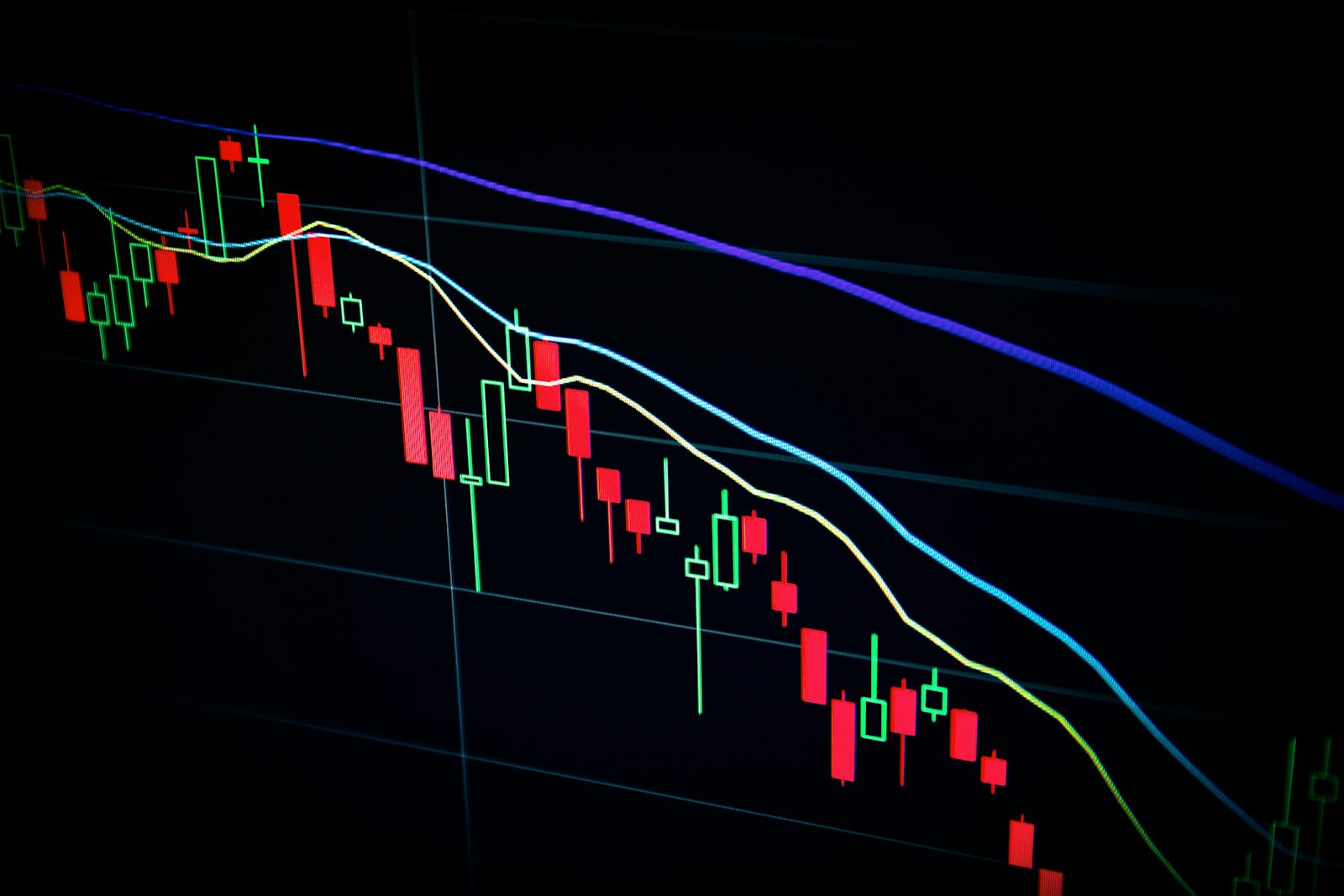
Asia’s biggest technology stocks took a heavy beating at the end of last week as a sharp selloff in US artificial intelligence shares spread across the region’s chip and hardware makers.
The trigger came on Thursday in New York, when the Nasdaq Composite fell 5.5% and roughly $3 trillion in value was wiped off S&P 500 companies. Investors were reacting to Democratic gains in the US midterm elections, which many read as a sign of tougher scrutiny of AI and slower approval of new data centres. The incoming Democratic governor of Texas, a state that hosts a large share of America’s data centres, has said she will bring in laws to protect local communities from further build-out.
Seoul, Tokyo and Taipei hit hardest
When Asian markets opened on Friday, the damage was immediate. Japan’s Nikkei 225 dropped about 6%, its worst single day since the tariff shock of April 2025. South Korea’s Kospi fell more than 8% in early trade, prompting a temporary trading halt, before recovering some ground to close around 6% lower.
Taiwan’s main index briefly lost more than 8% and ended the day down 4.5%. Over the week it shed 12.2%, its steepest weekly fall since 1991.
Memory and chip names led the decline. SK Hynix slid 9.4% and Samsung Electronics fell nearly 6%. TSMC, the world’s largest contract chipmaker, was down as much as 8.5% during the session before closing 4.7% lower. In Japan, flash memory maker Kioxia and SoftBank Group, one of the most aggressive investors in AI infrastructure, each lost around 11%.
Governments moved to steady nerves. South Korea’s finance ministry loosened rules on leveraged investing by retail traders, while Taiwan’s economy ministry said demand for AI, high-performance computing and cloud services would keep growing. In China, state-linked funds stepped in to buy shares.
Wall Street partly recovered later on Friday. The Nasdaq gained 1.1% and the Philadelphia Semiconductor Index rose 4.2%, though all three major US indexes still finished the week lower.
Analysts say the selloff exposed worries that were already there. Tech giants have committed hundreds of billions of dollars to data centres this year, and questions about when that spending will pay off have grown louder for months. Political pressure over power use, water and land around new facilities adds another risk that markets had not fully priced in.
What it means for Bangladesh
The Dhaka Stock Exchange has almost no direct exposure to global chip stocks, so the immediate market effect here is limited. The knock-on effects run through other channels.
The first is device prices. The AI boom has pushed up prices for memory chips as manufacturers shifted capacity toward high-end products for data centres. If investors force a slowdown in that spending, pressure on memory supply could ease over time, which would eventually help smartphone and laptop prices in markets like Bangladesh. That is a possibility, not a forecast, and any relief would take months to reach retail shelves.
The second is investment in the region. Malaysia, Singapore and India have attracted large data centre commitments on the back of AI demand, and Bangladesh has been trying to position itself for a slice of that supply chain, from chip design services to hosting. A cooler mood among global investors could make new projects more cautious and more selective about where they go.
The third is sentiment. Many Bangladeshi startups and IT exporters pitch themselves around AI services. A sustained correction in AI valuations abroad would likely make foreign investors pickier here too, favouring companies with paying customers over those selling a story.
One rough week does not end the AI investment cycle. But it is a reminder that the money flowing into the sector is sensitive to politics and to proof of returns, and that both can shift quickly.
