
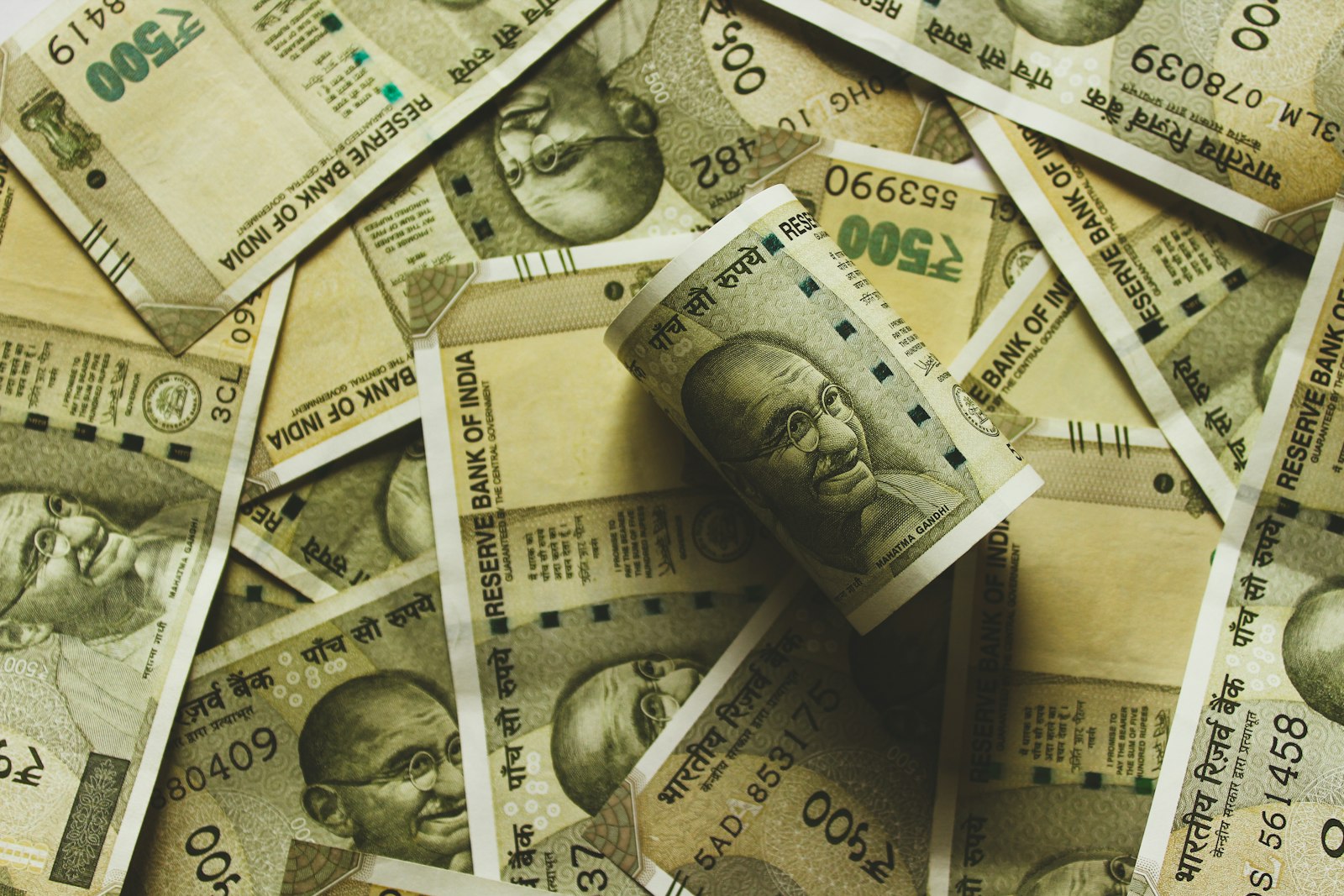
Indian payments company MobiKwik has received approval from the Reserve Bank of India to run its own lending business, moving it a step closer to issuing loans directly rather than only passing customers to banks and finance companies.
The company’s wholly owned subsidiary, MobiKwik Financial Services, has been granted a certificate of registration as a non-banking financial company (NBFC). The approval follows an in-principle nod the RBI gave in April, when MobiKwik’s shares jumped 14% on the news. This time the reaction was calmer: the stock closed 2.18% higher at ₹224.82 on Friday, after touching ₹235 during the day.
Lending plans and the numbers behind them
MobiKwik says the new unit expects to begin operations within three to six months, so no loans are being issued under the licence yet. It plans to start with an asset-light co-lending model, sharing loans with banks and other NBFCs rather than carrying all of the risk on its own books from day one.
The product range will include both secured and unsecured credit for individual consumers and for micro, small and medium enterprises. The company has set a target of ₹5,000 crore in loan disbursements over the next three to four years.
The bet rests on distribution. MobiKwik reports around 196 million registered users and about 5 million merchants across its wallet and payments network. That gives it transaction histories and spending patterns that can feed credit-scoring models, and a ready audience to offer loans to without paying heavily for customer acquisition.
Until now, MobiKwik earned money from credit mainly by distributing products from partner lenders. Becoming a lender itself gives it more control over underwriting, pricing and product design, and a larger share of the interest income. It also brings new responsibilities: assessing borrowers, monitoring repayment, chasing defaults and absorbing losses. The company has promised “responsible lending, prudent underwriting”, but its record on credit quality will only become visible once loans are on the books.
The move follows a wider pattern in India, where payments firms have found that processing transactions is a thin-margin business and that lending is where the money is. Several large fintech players have sought their own NBFC licences in recent years for the same reason. The RBI, meanwhile, has tightened rules on digital lending, including how fintech partners share risk and how loan terms are disclosed, after concerns about aggressive collection practices and hidden fees.
What it means for Bangladesh
Bangladesh’s mobile financial services market faces the same economics. Companies such as bKash and Nagad move enormous transaction volumes, but cash-in, cash-out and payment fees are tightly controlled, and the bigger opportunity lies in small loans and savings products. Today those products mostly reach MFS users through partner banks, with the wallet acting as the front end rather than the lender.
MobiKwik’s path, from distributor to licensed lender starting with shared-risk co-lending, is one model Bangladeshi players and regulators can watch closely. Bangladesh Bank’s digital bank framework offers a separate route to a lending licence, and telecom and fintech groups have been lining up to use it.
The Indian experience also carries a warning. Easy credit through phones can widen access for small traders and salaried workers who are invisible to traditional banks, but it can also pile up bad debt quickly if underwriting is loose or collection is heavy-handed. India’s tighter digital lending rules came after real harm to borrowers.
For Bangladesh, the lesson is that wallet data can make small-ticket lending cheaper and faster, but only if it comes with clear disclosure, fair collection rules and lenders who carry enough of the risk to care about who they lend to.
