
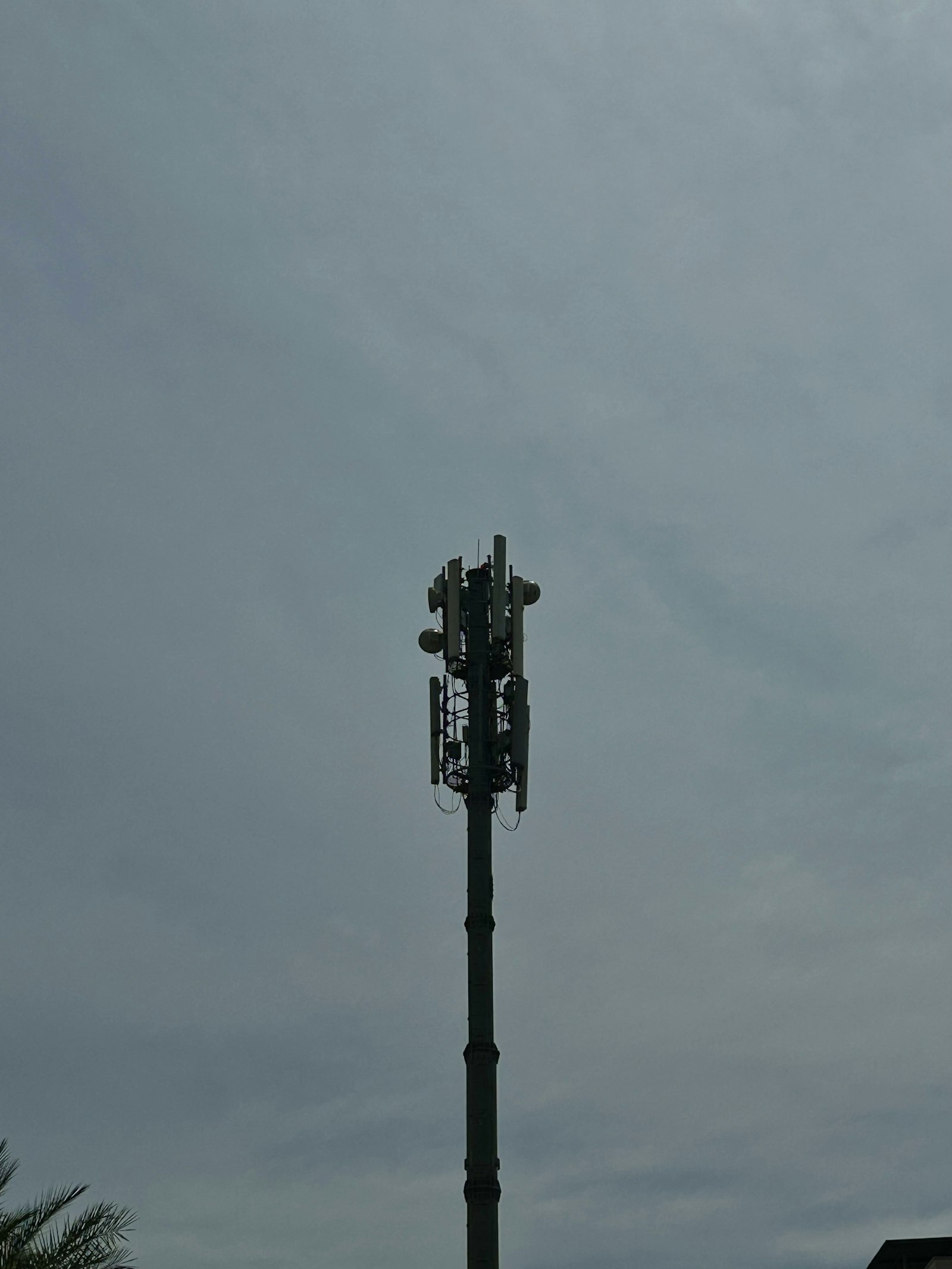
India’s telecom regulator wants mobile operators and network providers to account for every AI system they run, whether they built it themselves or bought it from a vendor.
The Telecom Regulatory Authority of India (TRAI) on Friday released draft “Guidelines on Responsible Use of Artificial Intelligence in Telecommunication Networks and Provision of Telecommunication Services”. They would apply to any company licensed under the Indian Telegraph Act, 1885 or authorised under the Telecommunications Act, 2023 that uses, or plans to use, AI in its networks or services. That covers the big three, Reliance Jio, Bharti Airtel and Vodafone Idea, along with smaller licensees. Public comments are open until November 27.
The draft builds on the India AI Governance Guidelines published in February, which set out seven broad principles such as people first, fairness, accountability and safety. TRAI’s proposal turns those principles into specific obligations for one of the country’s most data-heavy industries.
What operators would have to do
Each operator would need a board-approved internal AI policy covering risk classification, approvals, incident handling, human oversight, data governance and complaints. The policy must be reviewed at least once a financial year and filed with TRAI within seven working days of taking effect.
Every AI system would be graded as high, medium or low risk and recorded in a central inventory, including systems that are inactive or retired. The draft is blunt on this point: a system that is not in the inventory may not be used. Before a system is deployed or changed, operators would have to test it for accuracy, robustness, explainability, fairness and resilience to model drift, and carry out due diligence on any AI product bought from a third party.
Oversight would sit with an AI Governance and Safety Committee led by a senior executive designated as the AI Governance and Safety Officer. The committee would review deployed systems at least once a year and could order them modified or switched off. The draft says all AI systems “shall be subject to an appropriate human oversight” under a predefined mechanism.
Incidents would be graded critical, high, moderate or low. Critical and high-severity cases must be reported to TRAI, although the format and deadline are still to be prescribed. Operators would also have to keep a database of AI incidents and of customer complaints about AI-related harm, and resolve those complaints within a reasonable time. Crucially, responsibility cannot be passed to a supplier: the operator remains accountable for outcomes whether a model was developed in-house, outsourced, or both.
The proposal arrives as India’s IT ministry is reportedly preparing a separate consultation paper on wider AI regulation.
What it means here
Bangladesh’s operators use AI in much the same places as their Indian peers: network planning and fault prediction, spam and fraud filtering, customer-care chatbots, credit scoring for airtime loans and targeted offers. Most of that is bought from or built with global vendors. No comparable telecom-specific framework has been announced in Bangladesh, and the national AI policy is still being prepared.
TRAI’s draft offers a practical template rather than a philosophical one: keep a list of every model, grade its risk, name an accountable executive, log failures and give customers a way to complain. BTRC and the ICT Division could borrow that structure without copying India’s legal machinery, and operators here could adopt much of it voluntarily before any rule arrives.
There is also a commercial angle. Bangladeshi software and IT-services firms that sell analytics or AI tools to Indian telcos should expect tougher procurement checks if the rules are finalised, since operators will need documentation on how vendor models are tested and monitored. Firms that can show that paperwork early may find it a selling point rather than a burden.
