
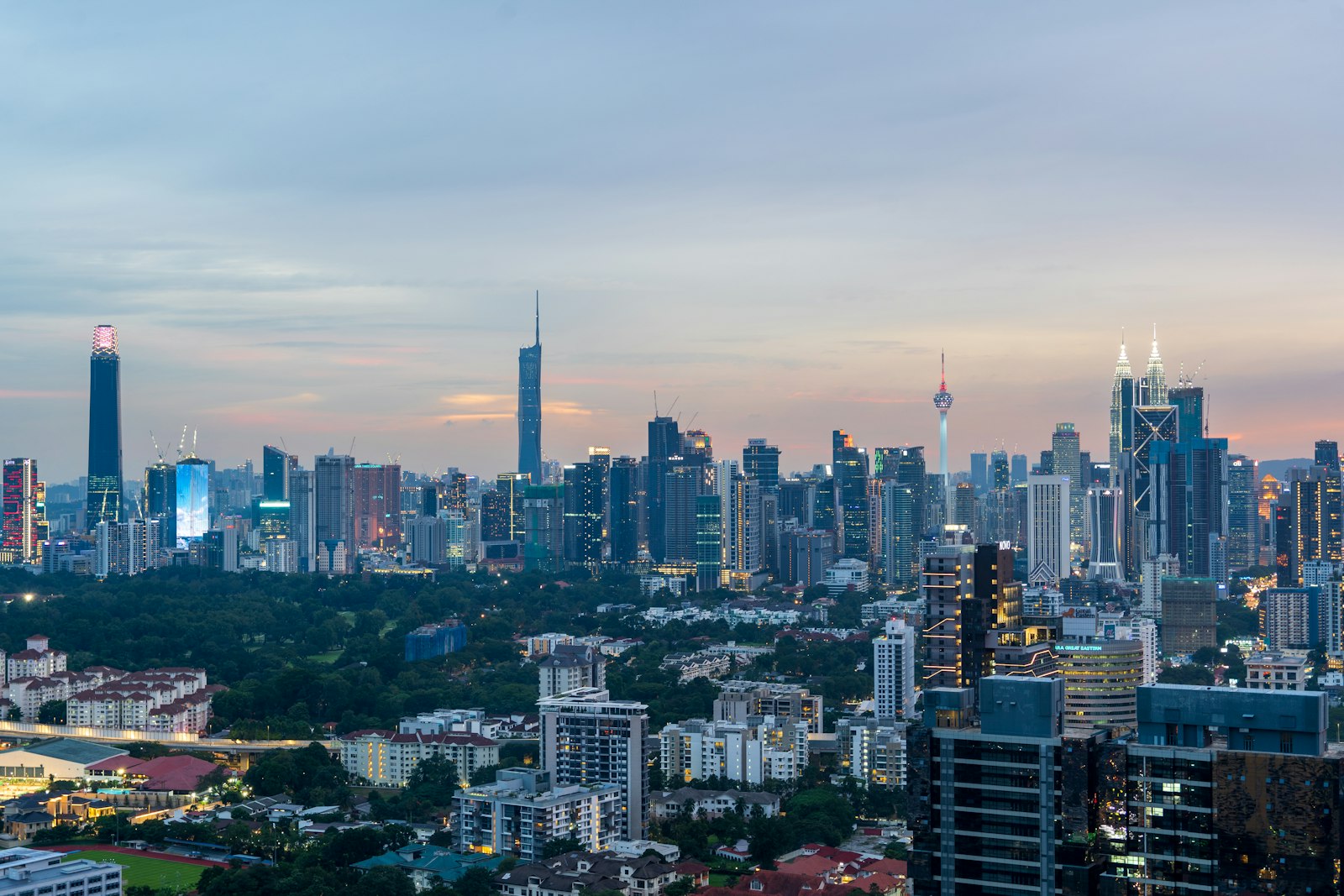
Google will spend another $15 billion, about RM61 billion, building data centres in Malaysia over 2027 and 2028. Alphabet president and chief investment officer Ruth Porat made the announcement in Kuala Lumpur on November 4 at an event at Universiti Malaya, with Prime Minister Anwar Ibrahim in attendance.
The money comes on top of the $2 billion Google committed in 2024, which paid for its first Malaysian data centre and a Google Cloud region at Elmina Business Park in Selangor.
Where the money goes
The core of the plan is physical. Google will expand its existing Elmina campus and build new data centre campuses in Selangor and Negeri Sembilan. Construction is scheduled across 2027 and 2028.
Google’s own projections are large. It expects the investment to add an average of about $1.1 billion a year to Malaysia’s GDP. During construction, it says the projects will support more than 37,000 local jobs annually and roughly $378 million a year in labour income. Once the sites are running, it estimates more than 9,000 long-term jobs, paying on average 45% above the national median wage. The company says it already works with more than 80 Malaysian firms in civil engineering, power systems, networking and logistics. These are company estimates rather than independent assessments.
The harder questions with any data centre build are power and water, and Google addressed both. It will work with national utility Tenaga Nasional Berhad to add more than one gigawatt of clean energy capacity to the grid, without relying on public subsidies. In Negeri Sembilan, it plans an off-river storage reservoir and a water treatment plant designed to supply 65 million litres of treated water a day. The reservoir is meant to ease flooding in the monsoon and hold water for dry spells, and it will be handed to the state government once complete.
Google also set a skills target: training 800,000 Malaysians by 2031 through programmes aimed at teachers and students, micro-entrepreneurs, local council officers and vocational job seekers.
Asked whether Google had done enough on environmental concerns, Anwar said yes, adding: “these are the conditions imposed and they’ve accepted it.” He described the investment as a milestone in Malaysia’s ambition to become the region’s leading digital hub.
What it means here
Malaysia, especially the Johor and Selangor corridors, has become one of Asia’s busiest data centre markets as cloud and AI companies look for land, power and connectivity close to Singapore. Google’s commitment shows what those companies now expect in return: reliable electricity at scale, a credible path to clean energy, secure water and a government willing to move quickly on approvals.
That is a useful checklist for Bangladesh. Dhaka wants more cloud and data centre investment, and local businesses increasingly rely on servers hosted in Singapore, Mumbai or further afield. But recent grid failures and an ongoing energy squeeze show how far the country is from offering the kind of guaranteed, low-carbon power that hyperscalers now demand before signing.
There is also a lesson in how the deal was packaged. Malaysia secured water infrastructure that passes to the state, a clean energy commitment that does not draw on subsidies and a large training programme. If Bangladesh does attract a major data centre investor, the terms it negotiates on power, water and local skills will matter as much as the headline dollar figure.
