Close Menu
BdBytes

    Join the BDBytes Newsletter

    Get smart, easy-to-read updates on technology, markets, digital innovation and more directly to your inbox.

    Trending

    Nucleus Network uses an AI agent to screen trial volunteers

    October 15, 2026

    Bangladesh internet forum puts AI and digital resilience on its agenda

    October 15, 2026

    UK and Taiwan deepen cooperation on chips and AI standards

    October 14, 2026
    Facebook X (Twitter) Instagram
    Trending
    • Nucleus Network uses an AI agent to screen trial volunteers
    • Bangladesh internet forum puts AI and digital resilience on its agenda
    • UK and Taiwan deepen cooperation on chips and AI standards
    • Tesla switches to Assisted Driving branding in Europe
    • Asia’s cyber insurers move beyond payouts to security services
    • China pairs its AI push with warnings against investment bubbles
    • ComfortDelGro brings cloud workloads home as AI costs rise
    • EU defends AI rules as concern grows over autonomous agents
    RSS
    BdBytes
    Login
    • Tech
    • Business
    • Finance
    • Startups
    • Gadgets
    • Reviews
    • Policy
    • Bangladesh
    • Asia
      • India
      • Singapore
      • Malaysia
    BdBytes
    Home»Tech»Apple Opens iOS to Rival App Stores in Japan
    Tech

    Apple Opens iOS to Rival App Stores in Japan

    Sponsored By: Bdbytes Report December 22, 2025No Comments3 Mins Read
    Share Facebook Twitter Pinterest LinkedIn Tumblr Reddit Telegram Email
    Share
    Facebook Twitter LinkedIn Pinterest Email


    Mobile competition rules start

    Apple is changing how the iPhone’s app economy works in Japan, allowing alternative app stores and enabling developers to use payment options outside Apple’s in-app purchase system for digital goods and services. The shift is tied to compliance with Japan’s Mobile Software Competition Act, which is designed to curb gatekeeper control in mobile ecosystems.

    Japan is an important test market because it combines high iPhone penetration with strong consumer spending on mobile services. That mix creates immediate incentives for large developers—games, streaming, productivity, and subscription apps—to evaluate whether alternative distribution and billing can reduce costs or unlock business models that were previously unattractive under Apple’s standard terms.
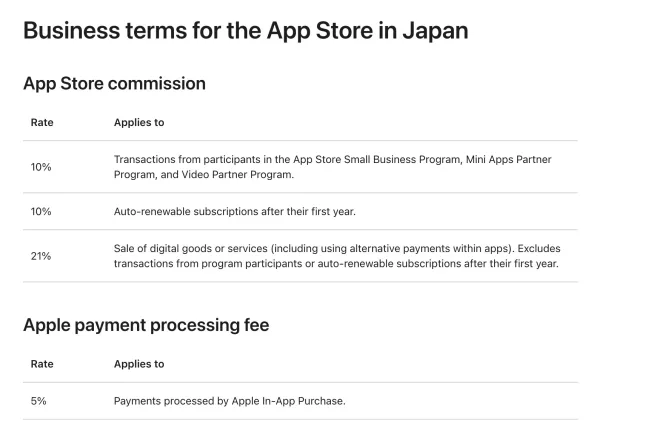
    For developers, the headline issue is economics. Apple’s in-app purchase rules have historically concentrated pricing power and fee structures inside a single channel. When alternative payments become viable, platforms and publishers can experiment with lower prices, new bundles, or direct-to-consumer offers that improve margins. But the gains are not automatic: developers must weigh payment processing costs, fraud risk, customer support overhead, and the marketing challenge of moving users away from Apple’s default purchase flow.

    Alternative stores also change distribution strategy. Publishers that already operate their own storefronts on PC or Android may see Japan as an opportunity to replicate that approach on iOS, especially for large-scale game studios with strong brand gravity. Smaller developers may benefit indirectly if competition pushes the entire ecosystem toward better commercial terms or more flexible app policies.
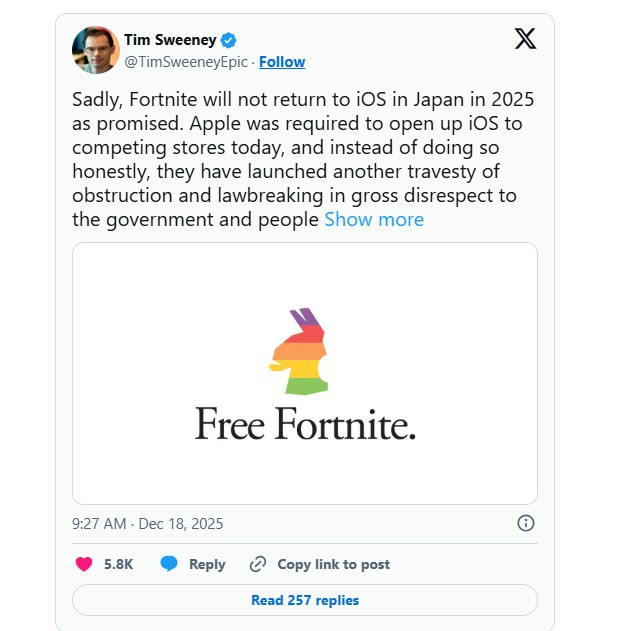
    Payments and distribution are only part of the story. Enforcement details matter: eligibility rules, user consent steps, technical requirements, and how Apple frames security warnings can all shape real-world adoption. If switching to another app store involves multiple screens, friction, or repeated warnings, many consumers will stay with the default. The practical outcome may be a market where a few major companies benefit first, while most apps continue using Apple’s channel because it remains simplest.

    Regulators will likely watch whether “opening” is meaningful or mostly procedural. The key question is whether Japan’s policy results in measurable competition: lower effective fees, wider payment choice, and less dependence on a single distributor. If outcomes look limited, it could trigger follow-on requirements that target user experience friction, default settings, or interoperability.

    What happens in Japan will also matter beyond Japan. Policymakers in other regions have been pressuring platform operators to loosen controls. A credible Japanese model gives regulators a reference point and gives developers evidence on what changes actually improve economics and innovation. If the model produces a thriving parallel ecosystem, it strengthens the case for similar mandates elsewhere. If it produces minimal change, it may encourage tougher rules.

    For BDBytes readers, the broader implication is that app-store governance is shifting from a purely commercial debate to an infrastructure debate. Mobile platforms now sit at the center of digital payments, content markets, and subscription commerce. As governments intervene, the operatio

    Share. Facebook Twitter Pinterest LinkedIn Tumblr Email
    Previous ArticleFujitsu Launches Global Quantum Simulator Challenge
    Next Article OpenAI Reportedly Seeks $100B Funding at Massive Valuation
    Sujon Ahmed

    Related Posts

    Tech

    Nucleus Network uses an AI agent to screen trial volunteers

    October 15, 2026
    Asia

    UK and Taiwan deepen cooperation on chips and AI standards

    October 14, 2026
    Policy

    Tesla switches to Assisted Driving branding in Europe

    October 14, 2026
    Add A Comment
    Leave A Reply Cancel Reply

    Trending

    Enhanced Food Waste Bin is Quieter and More Efficient

    November 24, 2025

    Facebook Embraces Nicknames for Group Communities

    November 24, 2025

    AI Solutions for Creators: Insights from a Former MrBeast Strategist

    November 24, 2025
    Latest In Tech

    Nucleus Network uses an AI agent to screen trial volunteers

    October 15, 2026

    UK and Taiwan deepen cooperation on chips and AI standards

    October 14, 2026

    Tesla switches to Assisted Driving branding in Europe

    October 14, 2026

    ComfortDelGro brings cloud workloads home as AI costs rise

    October 12, 2026
    Latest In Finance

    Asia’s cyber insurers move beyond payouts to security services

    October 13, 2026

    Q-Cash services return, but Bangladesh’s payment resilience needs work

    October 11, 2026

    White House Pushes Crypto–Bank Talks as US Seeks Digital Finance Compromise

    January 30, 2026

    Semiconductor Firms Rebalance Global Supply

    January 23, 2026
    Advertise with BDBytes
    Most Popular

    Enhanced Food Waste Bin is Quieter and More Efficient

    November 24, 2025

    Facebook Embraces Nicknames for Group Communities

    November 24, 2025

    AI Solutions for Creators: Insights from a Former MrBeast Strategist

    November 24, 2025
    Our Picks

    Nucleus Network uses an AI agent to screen trial volunteers

    October 15, 2026

    Bangladesh internet forum puts AI and digital resilience on its agenda

    October 15, 2026

    UK and Taiwan deepen cooperation on chips and AI standards

    October 14, 2026
    RSS
    • About us
    • Contact us
    • Privacy Policy
    • Terms & Conditions
    • Disclaimer
    © 2026 BDBytes. All Rights Reserved.

    Type above and press Enter to search. Press Esc to cancel.

    Sign In or Register

    Welcome Back!

    Login to your account below.

    Lost password?