
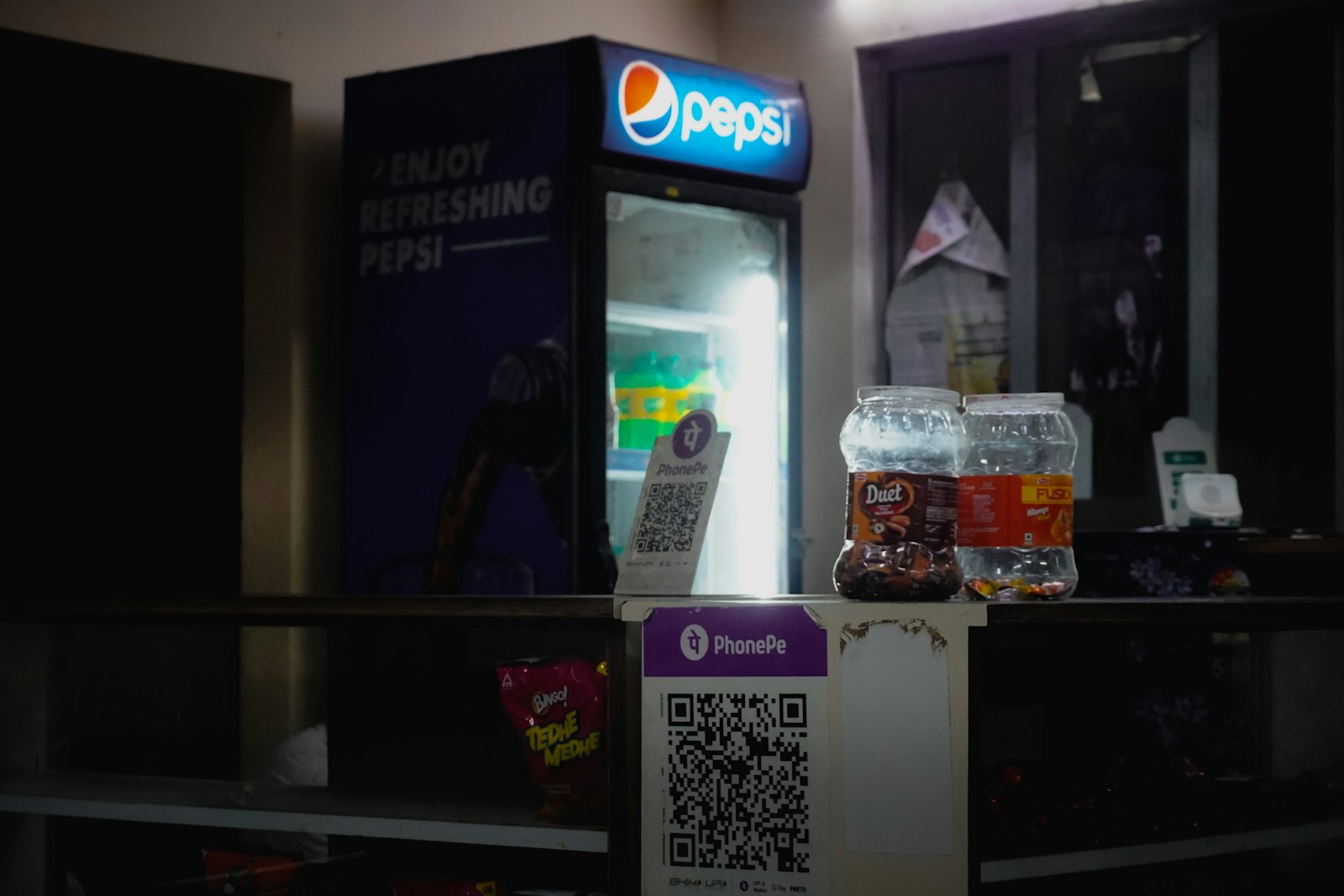
India’s Unified Payments Interface (UPI) had its busiest month yet in October, processing 25.47 billion transactions, according to data from the National Payments Corporation of India (NPCI), which runs the network.
That is 5.8% more than September’s 24.07 billion and about 23% higher than October last year. The value of payments rose to Rs 31.53 lakh crore, up roughly 7% on the month and around 16% on the year. October had one more day than September, which flatters the monthly comparison slightly, but daily figures also climbed: UPI handled about 822 million transactions a day, up from 802 million, and the daily value crossed Rs 1 lakh crore for the month.
The network has been setting records through the year. It first crossed 23 billion monthly transactions in May and reached 24.51 billion in August before dipping in September. The number of banks live on UPI edged up to 758.
Small payments, big volumes
The most telling numbers are in the split between payment types. Person-to-merchant payments, the scan-and-pay transactions at shops, tea stalls and online checkouts, made up 16.09 billion transactions, or 63% of the total. Yet they accounted for only about 31% of the value. Person-to-person transfers were fewer in number at 9.37 billion but carried around 69% of the money moved.
In plain terms, UPI has become the default way Indians pay for everyday, low-value purchases. The average merchant payment works out to roughly Rs 600, while the average transfer between people is closer to Rs 2,330. The overall average ticket size rose slightly, to about Rs 1,238 from around Rs 1,220 in September.
The market remains concentrated. In September, the latest month with app-level data, PhonePe handled about 45.6% of UPI volume and Google Pay 32.2%, with Paytm at 8.1%. Regulators have long worried about that dominance, and Paytm has said it wants to win back a much bigger share of consumer payments.
A proposed fee on certain larger merchant payments, which would have exempted person-to-person transfers and small purchases, has been postponed until after the festive season, with a new date yet to be announced. For now, most UPI payments remain free for users.
What it means here
Bangladesh has its own digital payment success in mobile financial services such as bKash and Nagad, which reach tens of millions of people. But the two systems grew differently. UPI is a shared public rail that links every participating bank and app, so a customer of one bank can pay a shop that banks elsewhere with a single scan, usually at no cost. Bangladesh’s market grew around large wallet providers, and moving money between them and banks still involves more friction and, often, fees.
The Bangla QR standard and the push for interoperable payments are steps in the same direction, and the five digital banks that won initial approval from Bangladesh Bank in September will need cheap, instant rails to compete. India’s numbers suggest the prize is in the smallest transactions: once paying a few taka by phone is free and works everywhere, volumes follow. The open question for Bangladesh is who pays to run that network, and whether wallet providers that earn from fees will welcome it.
