
Bangladesh’s telecom regulator has set out a timetable to retire 2G mobile networks by the end of 2029, a move that would eventually silence tens of millions of the cheap button phones that still carry much of the country’s voice traffic.
The Bangladesh Telecommunication Regulatory Commission (BTRC) presented the roadmap to mobile operators and other stakeholders at a workshop in October. Under the plan, the regulator would stop approving new 2G handset models after December 2026. Local manufacturing of 2G-only phones would be barred after 31 March 2027, and their sale would end in June 2027. Service for remaining 2G users would be switched off in December 2029.
The schedule is still a proposal. The BTRC is preparing formal recommendations for the government, and the dates could move as manufacturers and operators make their case.
Who gets left behind
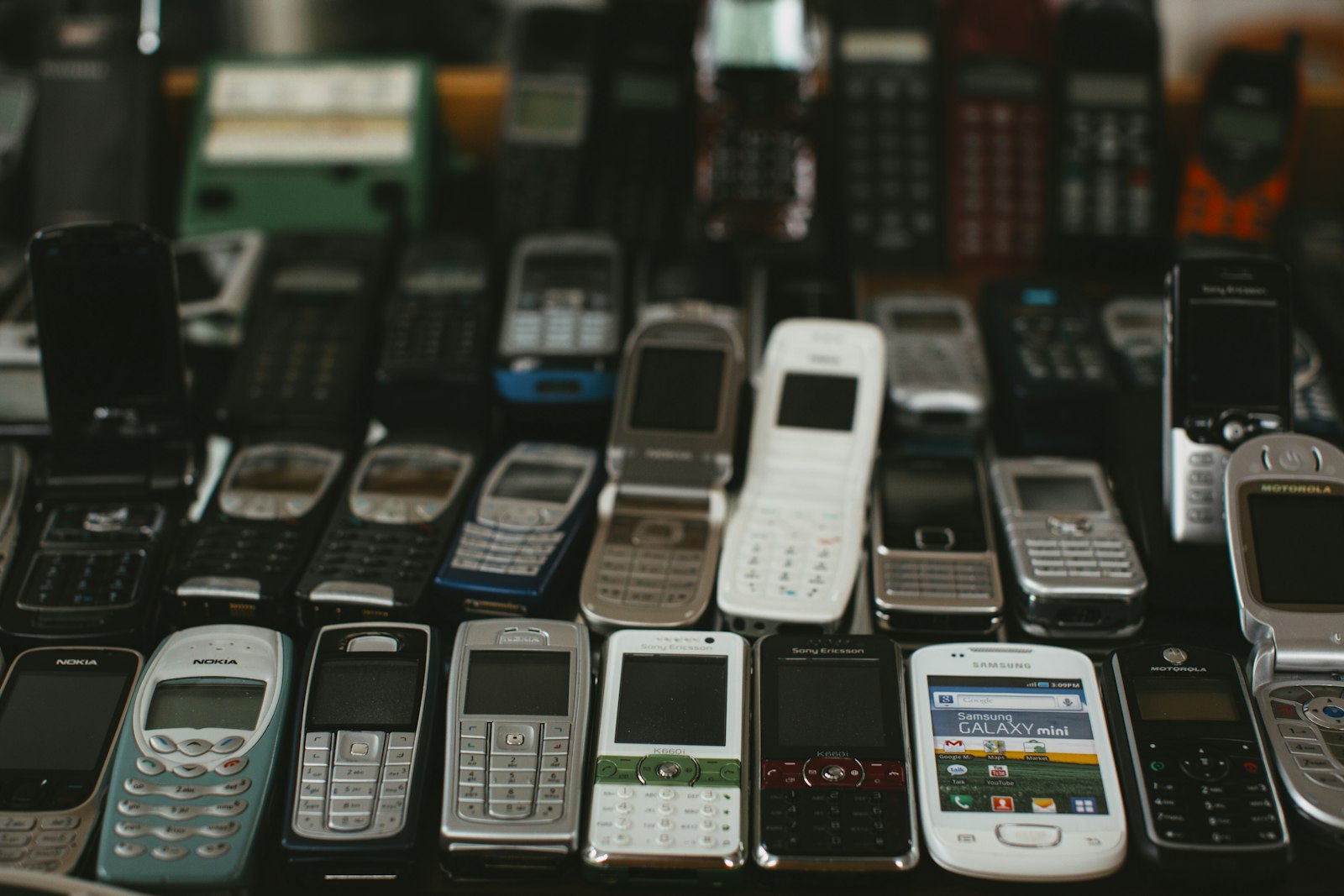
The scale is large. The BTRC estimates that 61.3 million SIM subscribers use 2G handsets, and most of those devices do not support VoLTE, the technology that carries voice calls over 4G networks. Once 2G goes dark, those phones will no longer be able to make or receive ordinary calls. Button phones that do support VoLTE will keep working.
Price is the core problem. A basic button phone sells for around Tk 900 to Tk 1,000, while industry estimates put the cheapest 4G smartphone at roughly Tk 9,500. Feature phones also dominate local output: about 65 percent of handsets made in Bangladesh are 2G models, according to industry figures. The ICT Division has said it wants smartphones priced at Tk 4,000 to Tk 5,000 to bring lower-income users online, but no such device is on the market yet.
Operators argue the shift is already under way. Grameenphone says many subscribers are moving to calls over WhatsApp and similar apps, and some are switching to VoLTE handsets. Robi expects future low-cost phones to remain simple feature phones but to place calls over VoLTE or apps, and says internet calls can cost far less per minute than traditional voice. Because a basic handset usually lasts three to four years, Robi expects few 2G-only devices to still be in use by 2030.
Handset makers are more cautious. Jakaria Shahid, president of the Mobile Phone Industry Owners Association of Bangladesh, has warned that stopping 2G production too quickly could push buyers toward illegally imported phones. He has suggested bundles that combine a handset, voice minutes and data, paid for in instalments, to ease the move to 4G. Other local manufacturers fear a rushed switch could hurt factory jobs and investment.
What it means here
Retiring 2G is a normal step for a maturing network. Freeing the old spectrum gives operators room for better 4G and 5G service, and running fewer parallel networks lowers their costs. Several countries in the region have already made the move.
But in Bangladesh, the button phone is not a relic. It remains the main device for many older people, rural households and daily wage earners, who rely on it for calls and, often, for mobile money. Many find touchscreens hard to use. A switch-off that is not matched by affordable VoLTE handsets, easy-to-use phones and clear public information risks cutting people off rather than moving them up.
The timeline gives everyone about three years. The real test will be whether a working VoLTE button phone reaches shop shelves close to today’s Tk 1,000 price point, and whether the BTRC’s final rules make clear who carries the cost of the transition.
