Close Menu
BdBytes

    Join the BDBytes Newsletter

    Get smart, easy-to-read updates on technology, markets, digital innovation and more directly to your inbox.

    Trending

    Nvidia board opens probe into Jensen Huang after spy reports

    November 10, 2026

    India’s UPI hits a record 25.47 billion payments in October

    November 10, 2026

    Bangladesh’s science ministry pushes AI hubs, chip design and steady power

    November 10, 2026
    Facebook X (Twitter) Instagram
    Trending
    • Nvidia board opens probe into Jensen Huang after spy reports
    • India’s UPI hits a record 25.47 billion payments in October
    • Bangladesh’s science ministry pushes AI hubs, chip design and steady power
    • Nasscom chief warns AI is squeezing India’s entry-level tech jobs
    • Microsoft says Cambodia-based hackers are using AI agents against banks
    • Bangladesh plans to end 2G by 2029. What happens to button phones?
    • MobiKwik wins RBI licence to lend from its own books
    • Asia’s chip stocks tumble as AI selloff spreads from Wall Street
    RSS
    BdBytes
    Login
    • Tech
    • Business
    • Finance
    • Startups
    • Gadgets
    • Reviews
    • Policy
    • Bangladesh
    • Asia
      • India
      • Singapore
      • Malaysia
    BdBytes
    Bangladesh

    S&P says Bangladesh’s power surplus hides a fuel problem

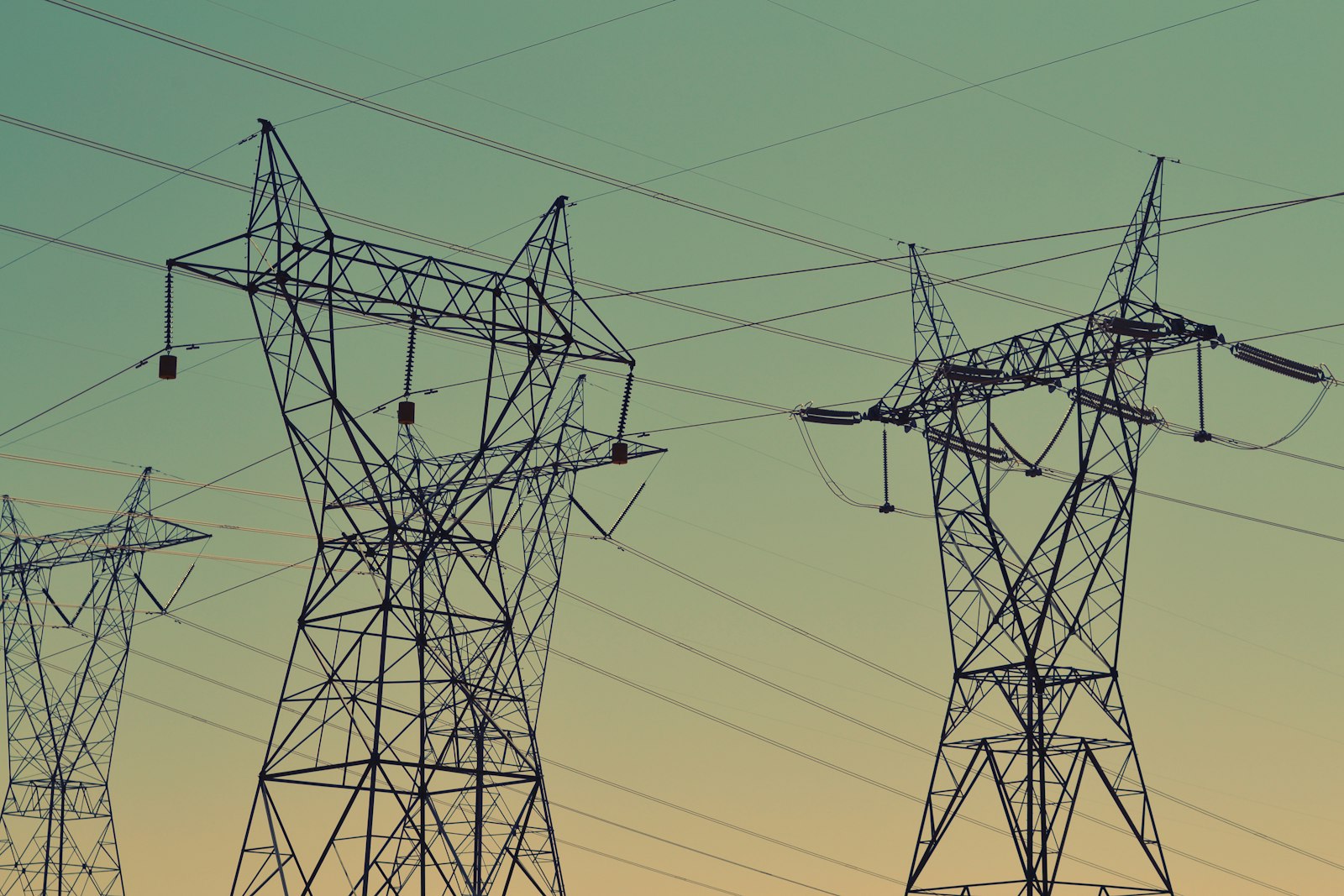
    Steel electricity transmission towers and power lines against a green and orange sky
    High-voltage transmission lines
    Share
    Facebook Twitter LinkedIn Pinterest Email

    Bangladesh does not lack power plants. It lacks the fuel to keep them running. That is the central message of a new assessment from S&P Global, published on 6 November, which looks at why the country keeps facing load-shedding while sitting on one of the largest capacity surpluses in the region.

    According to the report, Bangladesh entered 2026 with roughly 30 gigawatts of installed generation capacity, giving it a reserve margin of about 66%, based on grid operator PGCB’s figures. On paper, that should mean comfortable supply. In practice, unserved demand in the first half of the year climbed to around 1 terawatt-hour, the highest in three years, even though electricity demand actually fell by 1.5% compared with a year earlier.

    S&P traces much of the problem to late March, when geopolitical disruption to fuel supplies coincided with plant outages. Gas-fired plants, the backbone of the system, ran at a load factor of just 48% in the first half, down from 54%. Coal plants picked up some of the slack, with their load factor rising from 47% to 54%, but not enough to close the gap. In the report’s words, installed capacity cannot ensure reliable supply without fuel security.

    A grid built on gas and coal

    The numbers underline how narrow the country’s energy base remains. Gas and coal together account for 87% of installed capacity, while renewables make up only 2.6%. Of the roughly 1.8 gigawatts of renewable capacity, about 1.5 gigawatts is solar. S&P notes that solar additions gained pace in the first half of 2026, but financing and execution problems slowed progress.

    The longer-term picture is one of steady growth. The government’s 2026 power and energy master plan expects peak demand to rise by about 5% a year on average between 2025 and 2050. By 2060, it projects consumption of roughly 362 terawatt-hours, peak demand near 62 gigawatts and installed capacity of around 100 gigawatts, more than three times today’s level.

    The plan also sketches a different mix. Oil-fired generation is meant to be phased out by 2028, and no new coal capacity is assumed after 2046. Nuclear power is expected to start contributing from the late 2020s, as the Rooppur plant comes online. Renewables are targeted at 20% of the power mix by 2030 and 30% by 2040. By 2060, nuclear, solar and imported electricity together are projected to supply more than 60% of generation. These are targets, not commitments with funding attached, and the gap between plan and delivery has been wide in the past.

    What it means here

    For households and businesses, the report explains a frustration many already feel: new plants keep opening, but outages do not go away. Idle capacity still costs money, because many private plants are paid capacity charges whether they run or not, and those costs end up in tariffs and subsidies.

    S&P’s research arm recommends a shift in priorities. It wants better use of existing plants, secure fuel contracts, stronger transmission, distribution and storage, higher load factors where possible, and continued electricity imports from neighbours. The underlying advice is to fund generation that is reliable and affordable, rather than simply adding megawatts.

    For Bangladesh’s growing digital economy, this matters directly. Data centres, telecom towers, factories moving to automation and the rising number of electric vehicles all depend on steady power, not just enough of it on paper. Rooftop solar, battery storage and domestic gas exploration are the most realistic near-term ways to reduce the exposure to imported fuel. Until those take hold, the country’s power security will depend less on how many plants it builds and more on whether it can keep the fuel flowing.

    Share. Facebook Twitter Pinterest LinkedIn Tumblr Email
    Previous ArticleZipline raises $1.5bn as drone delivery moves into the mainstream
    Next Article China blocks SoftBank’s $5.4bn takeover of ABB’s robotics arm
    Bdbytes
    • Website

    Related Posts

    Asia

    Nvidia board opens probe into Jensen Huang after spy reports

    November 10, 2026
    Bangladesh

    Bangladesh’s science ministry pushes AI hubs, chip design and steady power

    November 10, 2026
    Asia

    Nasscom chief warns AI is squeezing India’s entry-level tech jobs

    November 9, 2026
    Add A Comment

    Comments are closed.

    Trending

    Nvidia board opens probe into Jensen Huang after spy reports

    November 10, 2026

    Enhanced Food Waste Bin is Quieter and More Efficient

    November 24, 2025

    Facebook Embraces Nicknames for Group Communities

    November 24, 2025
    Latest In Tech

    Nvidia board opens probe into Jensen Huang after spy reports

    November 10, 2026

    Bangladesh’s science ministry pushes AI hubs, chip design and steady power

    November 10, 2026

    Microsoft says Cambodia-based hackers are using AI agents against banks

    November 9, 2026

    Bangladesh plans to end 2G by 2029. What happens to button phones?

    November 9, 2026
    Latest In Finance

    India’s UPI hits a record 25.47 billion payments in October

    November 10, 2026

    Microsoft says Cambodia-based hackers are using AI agents against banks

    November 9, 2026

    MobiKwik wins RBI licence to lend from its own books

    November 8, 2026

    Asia’s chip stocks tumble as AI selloff spreads from Wall Street

    November 8, 2026
    Advertise with BDBytes
    Most Popular

    Nvidia board opens probe into Jensen Huang after spy reports

    November 10, 2026

    Enhanced Food Waste Bin is Quieter and More Efficient

    November 24, 2025

    Facebook Embraces Nicknames for Group Communities

    November 24, 2025
    Our Picks

    Nvidia board opens probe into Jensen Huang after spy reports

    November 10, 2026

    India’s UPI hits a record 25.47 billion payments in October

    November 10, 2026

    Bangladesh’s science ministry pushes AI hubs, chip design and steady power

    November 10, 2026
    RSS
    • About us
    • Contact us
    • Privacy Policy
    • Terms & Conditions
    • Disclaimer
    © 2026 BDBytes. All Rights Reserved.

    Type above and press Enter to search. Press Esc to cancel.

    Sign In or Register

    Welcome Back!

    Login to your account below.

    Lost password?