
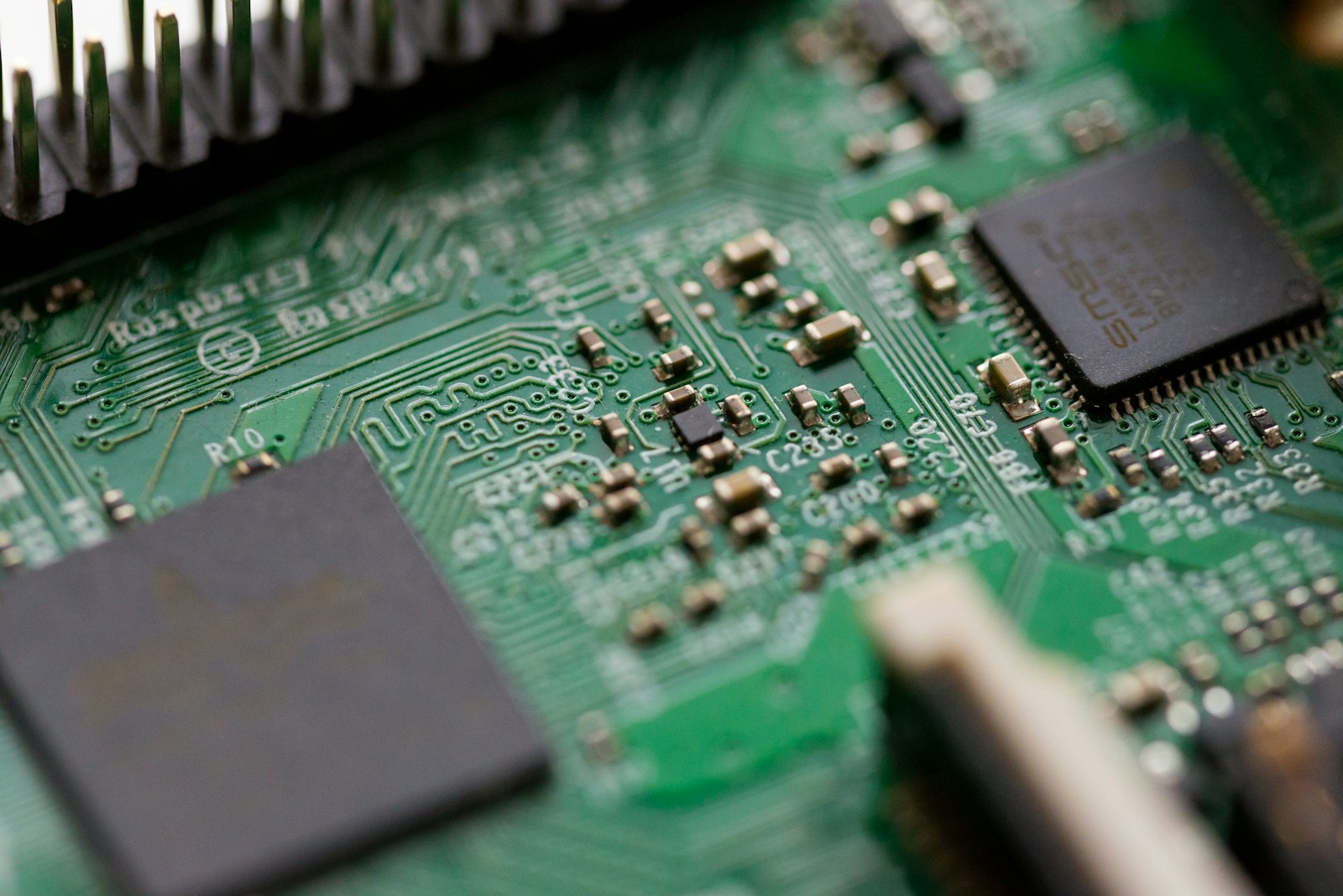
Smart Hi-Tech Industries, the company that makes Honor smartphones in Bangladesh, has installed a surface-mount technology (SMT) line at its factory in Kaliakair, Gazipur. The line places electronic components directly onto phone motherboards, a step that until now the plant depended on imported, partly finished kits to cover.
The company announced the line this week and framed it as a way to cut reliance on imported parts. It has not disclosed the line’s capacity, its cost, how many jobs it adds, or which models will use locally built boards.
Why the motherboard step matters
Most phones sold with a “Made in Bangladesh” label are assembled here from components that arrive largely ready to fit. The motherboard is the heart of the handset, carrying the processor, memory and the radio chips, and SMT is the stage where those parts are soldered onto the board by precision machines. Bringing that work in-house moves a factory one step further from final assembly and closer to real manufacturing.
It does not make the phone fully local. The processor, memory and display still have to be imported, and those items make up most of a smartphone’s bill of materials. What changes is where the value is added and how much engineering skill stays in the country.
Smart Hi-Tech opened the Gazipur plant in December 2025 with an investment of Tk 150 crore. Its first locally made phone was the Honor X6c. Group managing director Mohammad Zahirul Islam said that when the factory opened, the company argued “Bangladesh can build world-class electronics at home”. He said the next goal is to export Bangladesh-made phones to South Asia, the Middle East and Africa, though no timeline or volume target was given.
The announcement coincided with a visit by a team of Executive MBA participants from Nanyang Business School at Singapore’s Nanyang Technological University. Their nine-month project, which runs until April 2027, is studying how Bangladesh’s smartphone manufacturing could expand and which export markets it could reach.
What it means here
The line arrives at a difficult moment for local handset makers. Around 17 phone factories have opened since tax incentives began in fiscal 2017-18, but output is shrinking. Local plants produced about 2.44 crore handsets in 2025, down from roughly 2.73 crore a year earlier, and smartphone production fell nearly 10 percent in the first eight months of 2026. Many factories run at less than half their capacity.
Two pressures stand out. Industry estimates put the grey market at more than 60 percent of handset sales, and the NEIR system meant to block illegally imported phones is still not fully enforced. At the same time, the AI boom has pushed up memory chip prices sharply this year, raising costs for every manufacturer that imports components.
Policy has offered some relief. The current budget cut advance income tax on 22 raw materials used in handset making, and duty and VAT exemptions on components now run to June 2030. A longer runway gives companies more reason to invest in deeper production such as SMT.
For buyers, the effect will not be visible right away; a locally built board does not by itself make a phone cheaper. For the industry, the more important test is whether lines like this attract enough volume, from domestic sales or exports, to justify the investment. That will depend less on the machinery than on whether the grey market is brought under control.
