
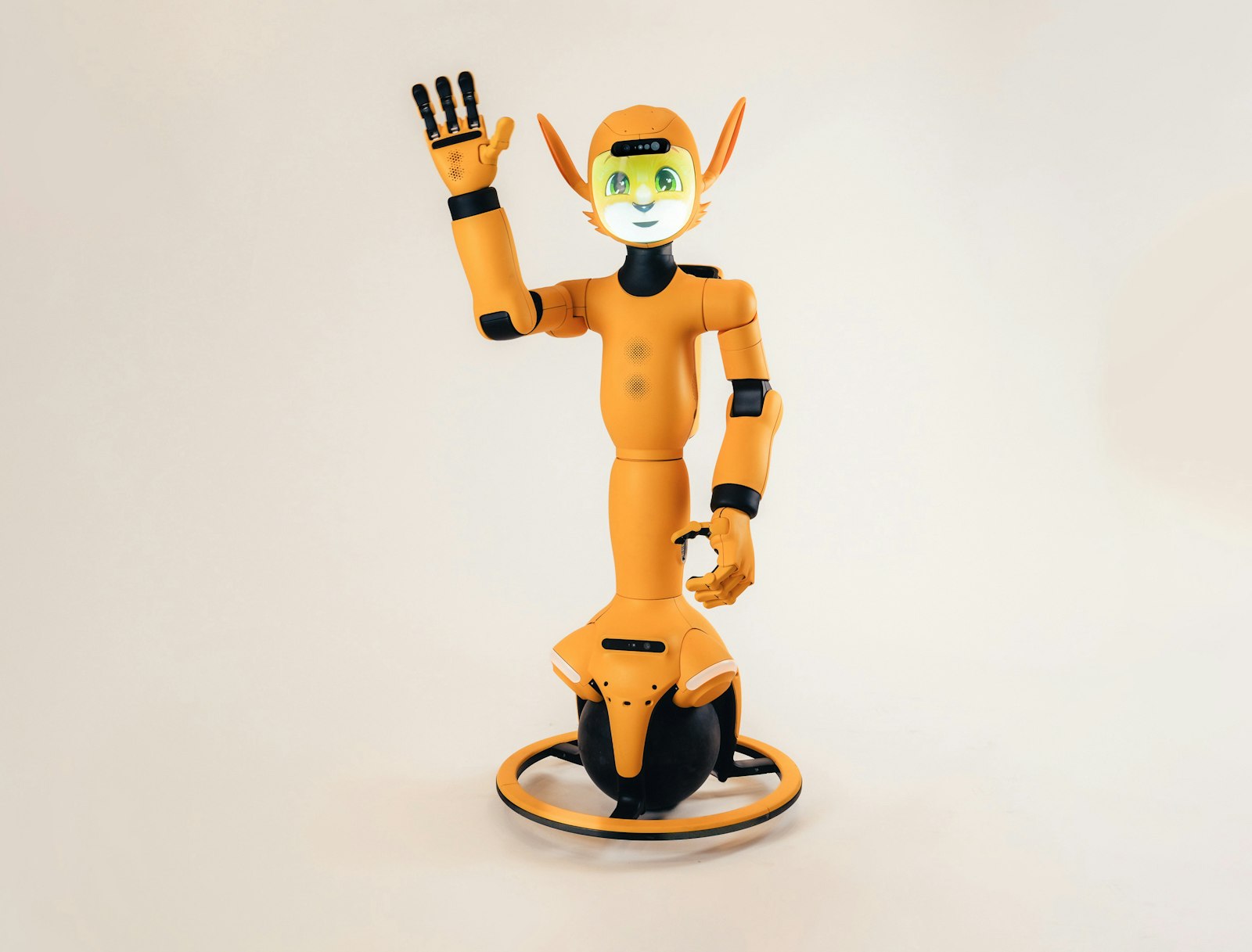
Meta has built a prototype humanoid robot with Fourier, a robotics company based in Shanghai, according to a report by The Information that cites people familiar with the project. The robot, known internally as Max, reportedly took about three months to put together, and work on a second version is already under way.
Meta told the publication that the work with Fourier is for internal research and experimentation, and that it has no plans to sell the units. One person cited in the report said the company has not set a launch date for any humanoid product. BD Bytes has not independently verified the report.
What Max is
According to the report, Max stands about 1.5 metres tall and weighs roughly 48 kg. It runs on Nvidia’s Jetson Thor computer, has five-fingered hands for picking up small objects, a screen that shows facial expressions, and built-in speakers. Meta sees humanoid robots as a physical body for its AI assistant and, eventually, as helpers for household chores.
The collaboration was hands-on. Li-Chen Miller, Meta’s vice president of product for robotics, reportedly spent almost two months at Fourier’s factory in Shanghai, and Meta showed Max to employees at an internal robotics summit in late August. Work on Max 2 began in September, with plans for a new torso, better hands, a projector and extra sensors to help it handle stairs.
Fourier is not a newcomer. In August 2025 it unveiled the GR-3, a 165 cm humanoid it markets as a “care-bot” for companionship, including for older people. Meta has also been building its robotics bench: in May it acquired Assured Robot Intelligence, a San Diego AI software start-up whose team joined Meta Superintelligence Labs.
The field is crowded. Tesla is developing Optimus, Agility Robotics has its Digit line, and Chinese firms such as Unitree are pushing hard on cheaper and more capable machines.
What it means for the region
The striking detail is speed. A US tech giant turning to a Chinese partner and getting a working humanoid in roughly a quarter says a great deal about where hardware know-how now sits. China’s robot makers can draw on dense local supply chains for motors, actuators, batteries and sensors, which lets them build, test and revise designs faster than most rivals.
That puts Asia at the centre of the next hardware cycle, but it also exposes the region to politics. Washington has grown warier of Chinese technology in sensitive products, and a robot built to move around people’s homes with cameras and microphones is exactly the kind of device that attracts scrutiny. How Meta manages that tension will be watched closely by other Western companies seeking Chinese partners.
For Bangladesh, home humanoids remain a distant prospect; price alone will keep them out of most households for years. The nearer opportunity lies in the supply chain and the skills around it. Electronics assembly, component manufacturing and robotics engineering are areas where local firms and universities are already active, and Bangladeshi student teams have been competing at international robotics contests. As manufacturers look to spread production beyond China, countries that can offer trained technicians and dependable infrastructure will be in the conversation. Bangladesh is not yet among the obvious names, but the opening is there for those who prepare.
