
Singapore is preparing for a much hungrier power grid. The Energy Market Authority said this week it will invest up to S$5.3 billion, about US$4.1 billion, in expanding the island’s electricity network between 2025 and 2029. That is eleven times what was spent over the previous five years.
The plan, part of a five-year Energy Infrastructure Plan released during Singapore International Energy Week, points to three main sources of new demand: semiconductor fabs, data centres and the shift to electric transport. Peak demand reached 8.6 gigawatts in August this year and could climb to between 9.9 and 13 gigawatts by 2031.
Where the money goes
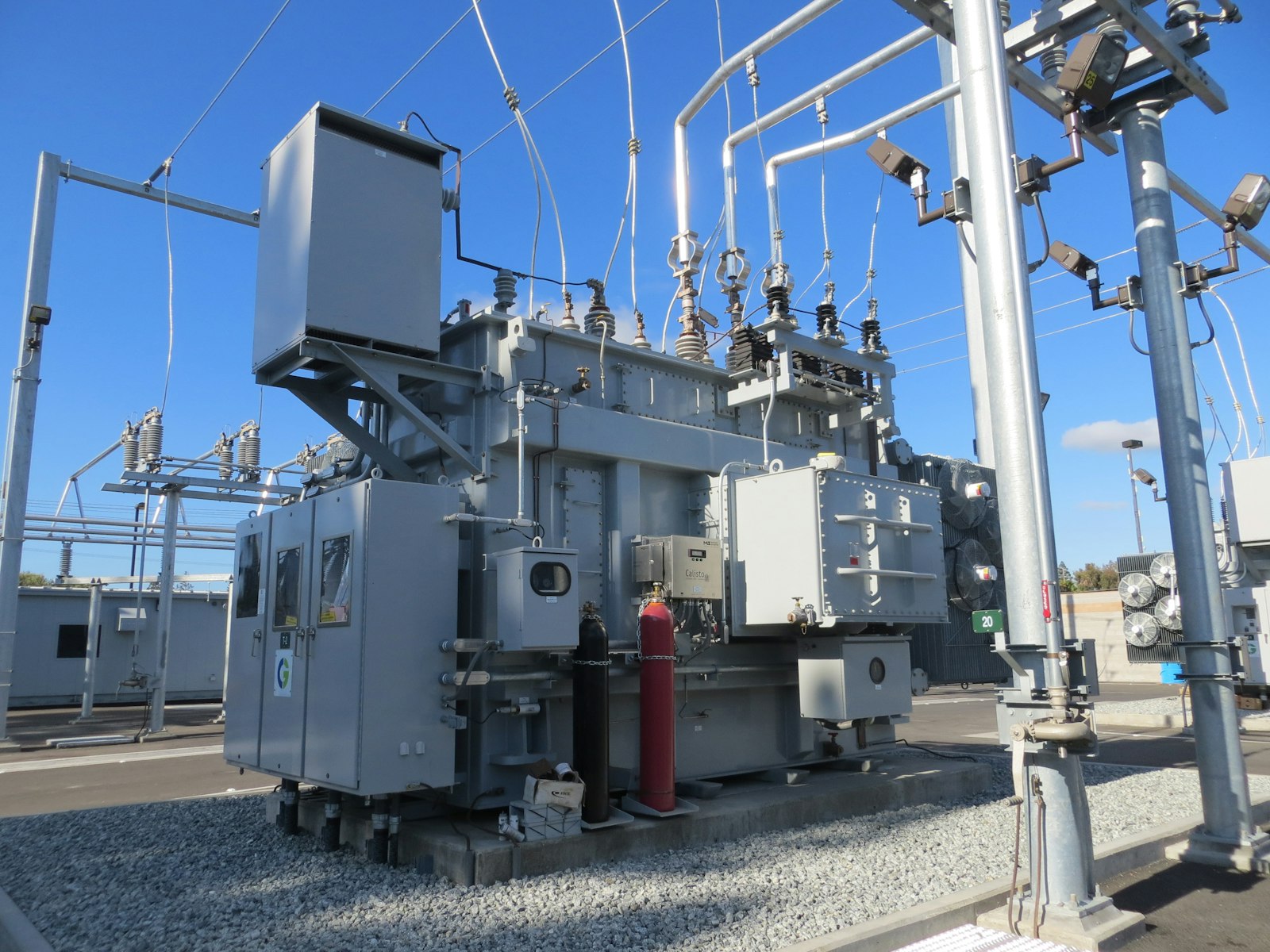
Most of the spending targets transmission. Singapore plans seven new substations by 2031, compared with four in the past five years, and expects its high-voltage cable network to grow from roughly 7,700 km to around 9,100 km by 2030. Areas with fast-growing demand, such as the Tampines Wafer Fab Park, will get stronger supply.
The distribution network will also be upgraded so it can handle more rooftop solar and electric vehicle charging. The authority is studying whether to more than triple its roughly 50 km of underground cable tunnels, which would let it add capacity faster and with fewer road works.
Generation is being expanded alongside the grid. Five new gas-fired plants are planned for the early 2030s, lifting capacity by about 26 percent from around 12 gigawatts. Natural gas still produces roughly 95 percent of Singapore’s electricity, so the country is adding a second LNG terminal at Jurong Port by 2030, raising import capacity from 10 to 15 million tonnes a year.
Cleaner sources are part of the mix but remain small. Installed solar stands at about 2.3 gigawatt-peak, with targets of 3 gigawatt-peak by 2030 and 4 by 2035. Battery storage is set to rise from about 350 megawatt-hours to more than 1 gigawatt-hour by 2030. Singapore is also surveying the seabed for a second power link with Peninsular Malaysia that could add up to 2 gigawatts, on top of the existing 1-gigawatt connection, and has given conditional approval to a 1.3-gigawatt import project linking Vietnam, Malaysia and Singapore.
What it means here
The lesson for Bangladesh is that the digital economy runs on wires as much as on code. Singapore, one of the region’s most advanced data centre markets, has concluded that its grid needs an elevenfold jump in investment to keep up with chips, cloud computing and electric vehicles. Countries hoping to attract the same industries cannot treat power as an afterthought.
Bangladesh is courting data centre investment, wants more electronics assembly and is talking about local smartphone manufacturing. Each of those depends on stable voltage and few outages, not just generation capacity on paper. Investors look closely at how reliably power reaches an industrial park, which is a question of transmission and distribution.
There are also parallels in fuel. Like Singapore, Bangladesh leans on imported LNG, which leaves both exposed to global price swings. Singapore is hedging with storage, solar and cross-border links. Bangladesh already buys electricity from India and has begun importing hydropower from Nepal through India’s grid, and Singapore’s push to build a regional power market shows how far such links can go when they are planned over decades rather than deal by deal.
