
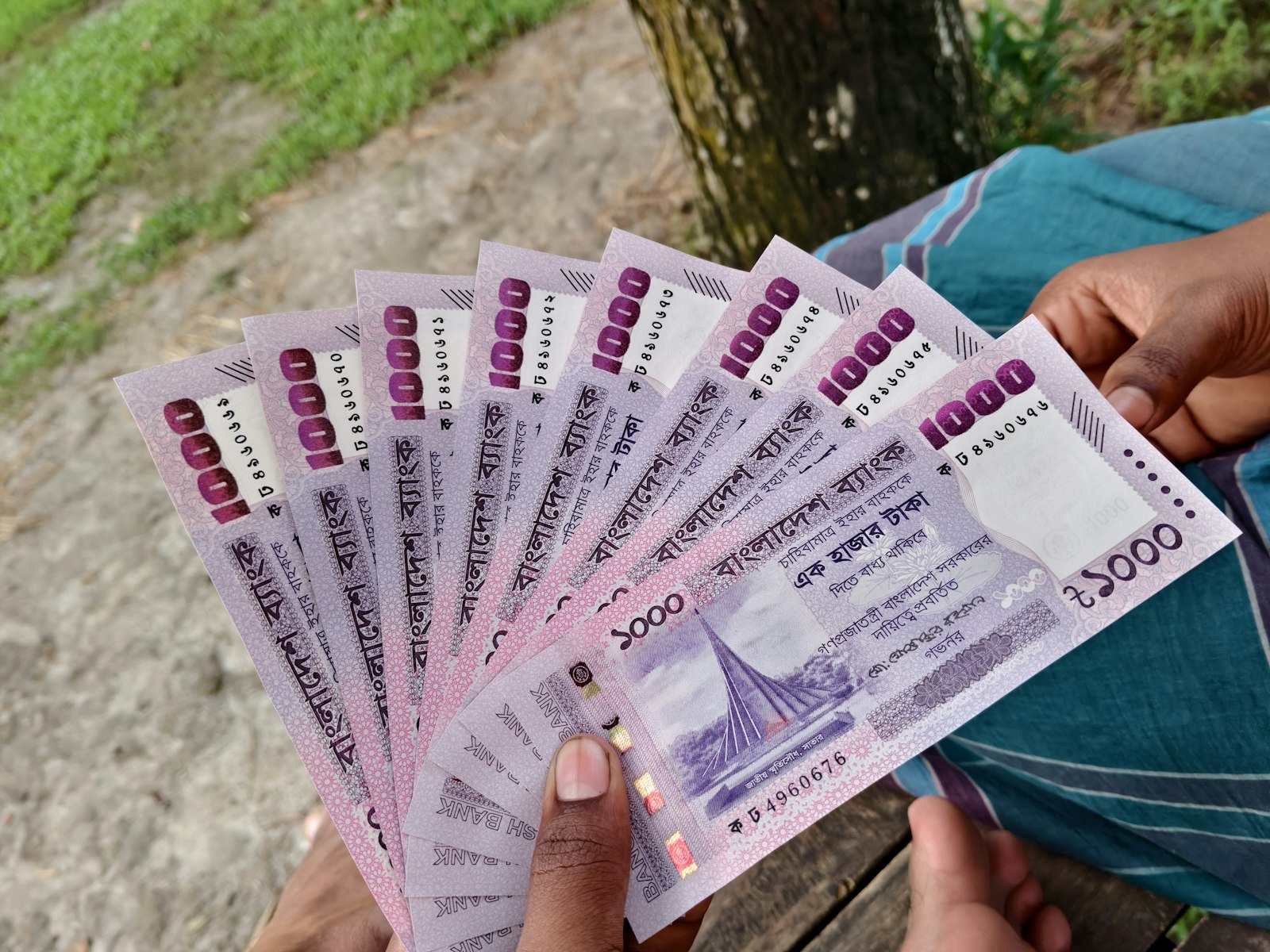
Bangladesh Bank is pressing ahead with a plan to put every bank, mobile wallet and other financial institution on a single instant payment network by July 2027. If it works, sending money from one MFS app to a rival wallet, or from a wallet to someone’s bank account, would be as simple as paying a contact on the same service.
The system, called the Inclusive Instant Payment System (IIPS), is meant to become a shared channel for person-to-person transfers, shop payments, business transactions and government disbursements such as salaries, allowances and social safety net benefits. Md Sirajul Islam, an executive director at the central bank, said this week that the goal is to bring all financial institutions onto a common payment channel, so customers are no longer boxed in by the network of their own provider.
Built on an open-source switch
IIPS is being developed with technical support from the Gates Foundation through Mojaloop, an open-source platform designed to connect banks, wallets and other providers that would otherwise operate in separate silos. The central bank signed up to the Mojaloop partnership late last year, when Governor Ahsan H Mansur first named July 2027 as the deadline for full interoperability.
The new network is meant to build on the National Payment Switch Bangladesh (NPSB), which has linked participating banks since 2012. NPSB handles bank-to-bank transfers, but it never brought the largest mobile financial service operators and non-bank players fully on board. An earlier push to join up banks, MFS providers and payment service providers fell short for the same reason: some major wallet operators did not fully take part. Islam acknowledged those gaps and said a broader technology framework is needed to win wider participation.
The central bank’s case rests largely on cost. A shared rail should reduce the need to cash out of one network and cash in to another, a habit that adds fees for users and pulls money back into physical notes. Fewer notes in circulation would also cut spending on printing, transporting and storing currency, and give businesses cleaner digital records. For the government, a single channel could make it easier to pay benefits straight into whichever account or wallet a citizen already uses.
Remittances are the other prize. In principle, IIPS could connect authorised overseas payment networks directly to local bank accounts and mobile wallets. That part will take longer, since cross-border use depends on new international partnerships, foreign exchange rules and settlement arrangements. The Policy Research Institute of Bangladesh began a study of the system’s potential, including for remittances, in July with Gates Foundation backing. Its chairman, Zaidi Sattar, has pointed out that remittances account for roughly 6% of GDP and argued that more of that money should flow through formal channels.
What it means here
For ordinary users, the promise is straightforward: send money to anyone, on any network, instantly, without converting it to cash along the way. Today, moving money between a wallet and a bank, or between two competing wallets, can still involve extra steps or charges, even as interoperable Bangla QR codes spread at shop counters.
The harder question is participation. Bangladesh’s MFS market is led by a few large operators that have built their own ecosystems, and earlier interoperability efforts stalled on exactly this point. Whether IIPS succeeds will depend on how many big banks and wallets connect, what each transaction costs, how secure the system proves to be and whether people trust it enough to keep their money digital. With the deadline about 20 months away, the signals to watch are which providers sign on first and how the central bank sets pricing.
