
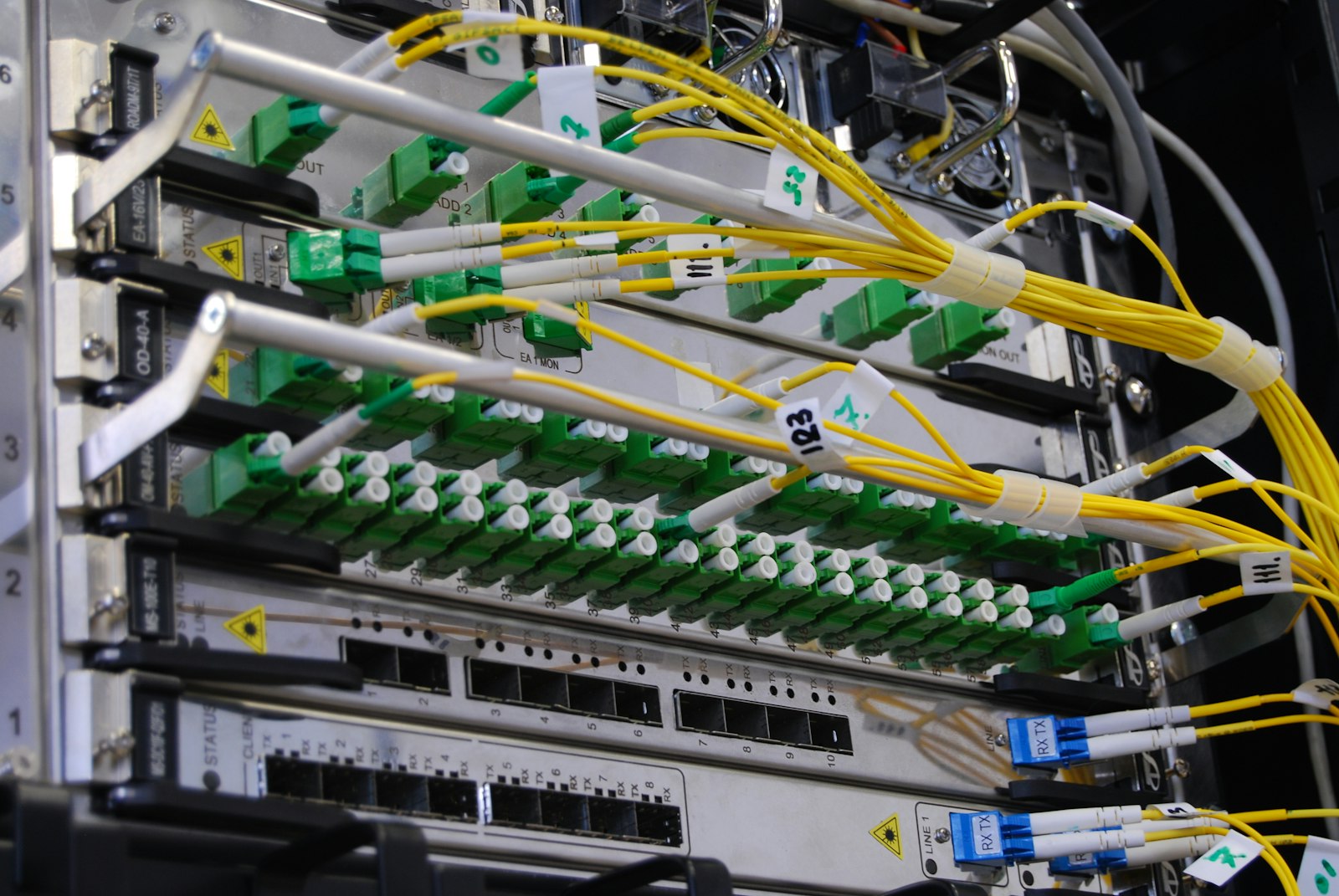
Microsoft has been urging the Trump administration to abandon a planned ban on imports of Chinese optical transceivers, a small but essential component of AI data centres, according to a Reuters report on Tuesday that cited three people familiar with the matter. Microsoft declined to comment.
Optical transceivers are the modules that convert electrical signals into light and back again, carrying data over fibre-optic cables between servers, switches and AI chips. A large AI facility can need millions of them. The US Federal Communications Commission has been drafting rules since the summer to block imports of new Chinese models, arguing that Beijing could use them to steal data, plant malware or disrupt service.
Why the cloud giants are worried
The issue is supply. China produces roughly two-thirds of the world’s optical transceivers, according to Counterpoint Research, and two Chinese companies, Zhongji Innolight and Eoptolink, lead the high-speed end of the market. Innolight has been placed on the Pentagon’s list of companies it links to the Chinese military. American makers such as Coherent and Lumentum compete, but analysts say they lack the scale to replace Chinese volumes quickly.
Microsoft has 35 data centres under construction in the US and 134 more planned, according to the research firm Cleanview. In September it was among a handful of companies that met officials from the White House science office and the National Security Council to raise supply chain concerns. The Information Technology Industry Council, a trade group, has warned that a ban could badly slow the data centre build-out, noting that cloud companies have already bought AI chips that could sit idle without the transceivers needed to connect them.
The final shape of the rule is still open. Morgan Stanley said in October that the administration was considering a ban limited to transceivers capable of 3.2 terabits per second, a class not expected to reach volume production until 2028, with wide installation the following year. Two sources told Reuters that this threshold is under consideration, though the FCC has not addressed it publicly. Congress is moving on a separate track: a bipartisan bill introduced in September would bar federal agencies from using Chinese-made transceivers in sensitive systems.
The lobbying comes at a tense moment for AI infrastructure. Investors have been questioning the pace of data centre spending, and any rule that raises costs or delays fit-outs would hit the largest builders first.
What it means here
Bangladesh is outside this dispute but not outside its effects. Local data centres, telecom operators and internet providers rely on the same global optics supply chain, and with China dominating production, Chinese-made modules are a large part of what is available to buyers across South Asia. If the US closes its market to new Chinese transceivers, those suppliers could push harder into other regions, which may help keep prices down in the near term.
The longer-term lesson is that network hardware is becoming part of geopolitics. As Bangladesh tries to attract data centre and cloud investment, operators here may face more questions from foreign clients and partners about where their equipment comes from, much as Huawei gear became a sticking point in 5G decisions in other countries. Planning for that now, through clear sourcing records and multi-vendor designs, is cheaper than reworking networks later.
